


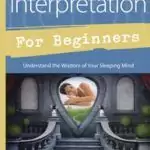
Quick Specs
- Author: Diane Brandon
- Type: Softcover beginner guide
- Size: 8.3″ x 5.5″ x 0.9″
- Dimensions: 8.3 x 5.5 x 0.9 inches
- Best for: Dream journaling, symbol analysis, intuitive development, sleep spirituality
Dream Interpretation for Beginners: Brandon’s Practical Approach
Diane Brandon approaches dream work as a teachable skill rather than an esoteric gift, and that framing is what makes this guide genuinely useful for newcomers. She separates dreams into clear categories: literal, symbolic, precognitive, visitation, and lucid, and gives readers a vocabulary for distinguishing them. Most beginner books treat all dreams as symbolic and leave readers guessing at meaning. Brandon’s method is more structured, asking you to examine the type of dream first before attempting any interpretation.
The section on building a personal dream dictionary is the strongest part of the book. Brandon argues, convincingly, that a snake or a red door means something different to every dreamer depending on their emotional history and cultural background. Her exercises walk you through identifying your own associations before layering in archetypal or cross-cultural meanings. This approach produces more accurate interpretations than any generic symbol dictionary because it roots the analysis in your lived experience.
Developing Your Intuitive Dream Vocabulary
Brandon’s background as an intuitive and radio host informs a recurring theme throughout the book: dreams communicate in the language your own mind has already built. She introduces techniques for improving dream recall, structuring a dream journal, and working with recurring dream themes across weeks or months of practice. The exercises are brief and doable, written for people who may only have five minutes in the morning before the memory fades.
For practitioners already working with tarot, shadow work, or third-eye development, this book provides a complementary layer. Dreams can surface material that waking consciousness avoids, and Brandon gives practical tools for sitting with that material without needing years of therapeutic training. The Mind, Body, Soul orientation means the framing stays open to both psychological and spiritual interpretations of dream content.
How to Use Dream Interpretation for Beginners
A practical three-step method for beginning dreamwork using Diane Brandon’s framework.
- Set up your dream journal
Keep a blank notebook and pen beside your bed before sleep. The moment you wake, write whatever images, feelings, or fragments surface, even a single word. Physical writing captures detail that memory erases within minutes of waking.
- Identify recurring symbols
After a week of entries, scan your notes for any symbol, person, or setting that appears more than once. Brandon’s framework asks you to note your personal reaction to each symbol rather than relying on universal dream dictionaries alone.
- Apply Brandon’s interpretation layers
Cross-reference each symbol against Brandon three interpretation layers: personal association, cultural context, and archetypal meaning. A snake in your dream may mean betrayal, healing, or kundalini energy depending on your own history.
The Tarot Fellow Standard
I stock this book because it closes a real gap in the beginner shelf: most dream guides are either purely psychological or purely mystical, and Brandon threads both without dismissing either. Practitioners who already work with my mind, body, soul books will find this pairs naturally with intuition-development and shadow work titles. For the physical tools to support the practice, browse my journals collection for dedicated dream recording books.
Frequently Asked Questions
Diane Brandon is an author, radio host, and intuitive who has taught dream work and intuitive development for over two decades. Her beginner-oriented style avoids jargon, making this book accessible to readers with no prior metaphysical background.
The book walks through literal dreams, symbolic dreams, precognitive dreams, visitation dreams, and lucid dreams. Each type is explained with practical examples so beginners can start recognizing patterns in their own nightly experiences quickly.
Brandon recommends building a personal dream dictionary rather than relying on fixed symbol meanings. Writing your emotional response to each symbol matters more than matching it to a standardized list, because symbols carry personal weight.
Yes. Brandon provides a step-by-step method for recording and analyzing dreams that works even if you rarely remember them. Starting the practice consistently, especially writing immediately upon waking, builds recall ability within a few weeks.




Reviews
There are no reviews yet