



Quick Specs
- Type: Ceremonial ritual headwear
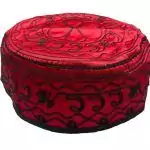
- Size/Quantity: One Elegua hat in traditional red and black
- Best for: Elegua devotion, Lucumi ceremonies, path-opening rituals, Santeria initiations
Elegua: The Orisha of Crossroads and Open Roads
Elegua is the first and most essential of the orishas in the Lucumi and Santeria tradition, also known as Eleggua, Eshu, or Legba in related Afro-Cuban and Afro-Brazilian systems. He is the guardian of all roads, crossroads, doorways, and beginnings. No ceremony in the Lucumi tradition proceeds without honoring Elegua first, because he controls access between the human world and the divine, between practitioners and all other orishas. Failing to acknowledge him at the start of ritual is understood as leaving the door to the ceremony literally unopened.
Elegua is a complex figure who contains seemingly contradictory aspects: he is simultaneously a playful child, an ancient trickster, and a powerful warrior. He moves between worlds with ease and is neither wholly benevolent nor wholly threatening, making him a demanding orisha to work with but also a deeply rewarding one. His colors are red and black, his number is three, his day is Monday, and his sacred objects include toys, candy, coins, rum, and cigars. These offerings reflect his nature: childlike, pleasure-seeking, and attentive to sincere gesture.
The Red and Black Hat in Ceremonial Practice
In Lucumi houses, a cap like this is called a gorro. Gorros are worn by initiated priests and priestesses (olorishas) and by the iyawo at their ceremonies, in the colors of their Orisha. Elegua’s colors are red and black, and his numbers are three and twenty-one.
I sell this cap as a supply for those houses. If you are not initiated, please talk with your godparent or house before wearing or using it. Browse my Voodoo, Hoodoo, and Santeria collection for additional Lucumi and Santeria ritual supplies.
How to Use an Elegua Santeria Hat
Three ways to incorporate the Elegua Santeria hat into Lucumi devotional practice.
- Ask Your Godparent or House First
Before wearing or using this cap, talk with your godparent or house about whether it fits your initiations and your house’s practice.
- Open the Ceremony
At the start of any ceremony, greet Elegua at his place near the door before proceeding. The red and black colors of this hat identify his specific road among the orishas. Acknowledge him verbally, asking for open roads and clear passage.
- Worn by Initiates
In Lucumi houses, gorros are worn by initiated priests and priestesses and by the iyawo at their ceremonies, in the colors of their Orisha. Follow your house’s guidance on when and how.
The Tarot Fellow Standard
I carry this Elegua hat because it is made for practitioners who operate within the Lucumi tradition, not for novelty or costume use. Santeria is a living tradition, and this hat is a supply for devotion, not a substitute for initiation or for the guidance of a godparent and house. For the broader range of Afro-Caribbean ritual items, browse my altar supplies collection where I stock items appropriate to serious devotional practice.
Frequently Asked Questions
Elegua is the orisha of crossroads, roads, and all beginnings in the Lucumi and Santeria tradition. He must be honored first in every ceremony because he controls access between the human world and the divine. No ritual proceeds without him.
Red and black identify Elegua’s specific energy and path. Red represents his power and authority, while black represents his connection to shadow, night, and the darker roads he governs. Items associated with him carry these two colors.
In Lucumi houses, a cap like this is called a gorro and is worn by initiated priests and priestesses and by the iyawo, in the colors of their Orisha. If you are not initiated, please talk with your godparent or house before wearing or using it.
Offerings for Elegua include rum, cigars, candy, small toys, and coins. He is associated with the number three and red-and-black colors. His day is Monday, and he responds to sincere and playful devotional attention from those who honor him.





Reviews
There are no reviews yet