
Quick Specs
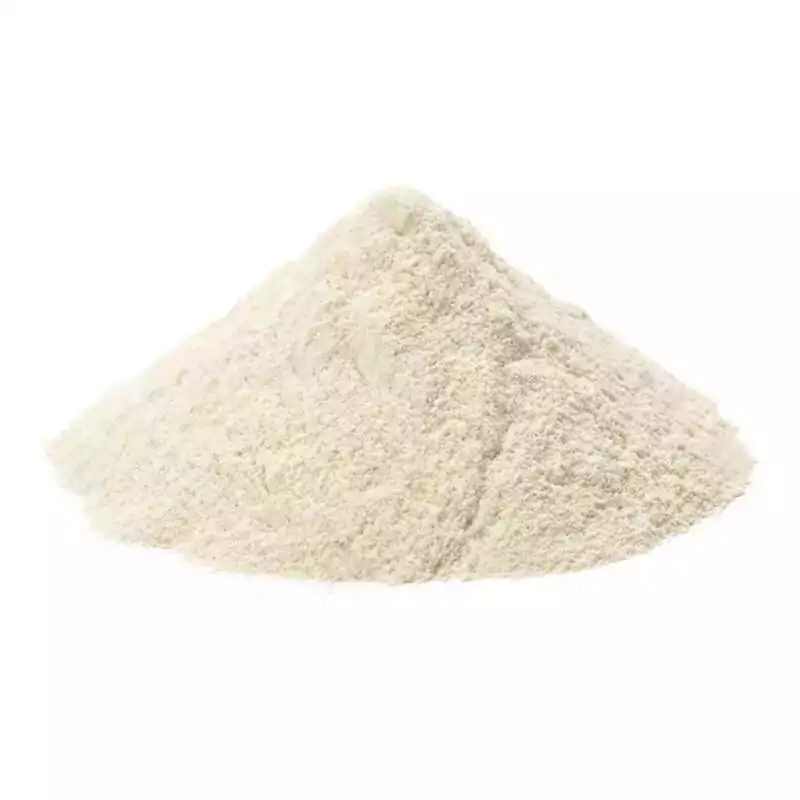
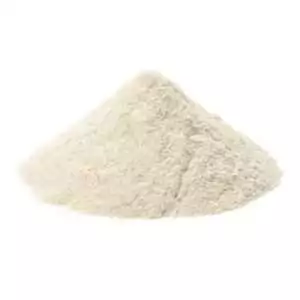
- Type: Botanical resin powder
- Also known as: Meska, Acacia gum, Gum Acacia
- Origin: Acacia tree resin, Africa and Middle East
- Form: Fine powder
- Scent: None (mild neutral)
- Pack: 1 pound bulk
- Best for: Incense binding, spellcraft fixative, protection and prosperity workings, meditation, psychic development
A Working Resin from the Acacia Tree, Ground Fine for Ritual Use
Gum arabic is the dried sap of the acacia tree, harvested for centuries across the Sahel belt of Africa and traded from Egypt to Europe as one of the older utility resins in the human record. In everyday industry it is a food-grade thickener, a paint binder, and an adhesive gentle enough for antique manuscripts. In working practice it holds a different set of roles. In ritual work it is used as a binder, and it is associated with protection and with anchoring intention. As a powder rather than a whole tear resin, it is easier to blend into other working preparations: loose incense held together with a pinch of gum, ink thickened enough to hold a sigil on parchment, an oil dressing that would otherwise separate, a bath tea that needs a binder to keep the herbs from floating. This one-pound quantity is enough for a full season of workings for a home practitioner or a batch’s worth for a shop or a coven.
The magical correspondences carried in the acacia lineage are wide. Traditional attributions include protection (the tree is thorny and defensive by nature), money and prosperity (the resin has been trade currency across three continents), love and friendship (the sweetness and the binding property are read together), and psychic and spiritual growth (the smoke of acacia is used for opening rites in several traditions). None of this is presented as medicinal use in a ritual context. The powder is a binder and a symbol, not a supplement. In an incense blend, gum arabic holds frankincense and myrrh together so the pellet or the loose blend burns evenly on charcoal. In an ink, it thickens the fluid enough to hold a curve on paper. In a dressing oil, it emulsifies enough to keep herbs suspended for the working. Store the powder in an airtight container in a cool, dark cabinet so it does not clump from ambient humidity.
Practical Uses in Incense, Ink, and Dressing Work
For loose incense on charcoal, mix a pinch of gum arabic powder with frankincense and myrrh or with your working herbs, add a few drops of water or oil to form a paste, roll into small pellets, and let dry for a week before use. For sigil ink, dissolve a small quantity in warm water until the mix has the viscosity you want, then color with soot, ochre, or a suitable ritual pigment. For a fixative on a dressing oil, whisk a tiny amount of powder into warm oil to help the herbs stay in suspension. For altar work, a bowl of the powder on the altar during a working carries the acacia lineage into the room without needing to burn it. Keep the powder shelved with other working herbs in my Herbal Spell Mixes collection.
How to Use Gum Arabic Powder
Gum arabic is a utility ingredient rather than a stand-alone working object; how you use it depends on what you are binding.
- Blend into Loose Incense
For a loose incense, combine one part gum arabic powder with two to four parts of your working herbs and resins (frankincense, myrrh, dried rose petals, mugwort, whatever the working calls for). Add a few drops of water or a working oil to form a workable paste. Roll into small pellets the size of a marble, press into charcoal-friendly shapes, and let them dry on parchment for a week before burning on a hot charcoal disc.
- Thicken a Sigil or Petition Ink
For sigil work or a petition paper, dissolve a small quantity of gum arabic powder in warm water until the fluid has the viscosity of a light syrup. Add pigment (lampblack for a traditional black ink, dragon’s blood powder for red, saffron for gold-yellow) and stir until smooth. The gum binds the pigment to the paper and keeps a drawn sigil holding its line as the ink dries.
- Fix a Dressing Oil
For a dressing oil that separates easily, whisk a small pinch of gum arabic powder into warm oil until it disperses evenly. This helps the herbs and any powdered curios stay suspended so the dressing carries the working consistently across multiple candles or objects rather than settling to the bottom of the bottle between uses.
The Tarot Fellow Standard
I stock this powder in a one-pound size because a home practice that uses gum arabic uses it steadily, and a smaller quantity forces reorders that break the working rhythm. Loose incense builders, ink mixers, and dressing-oil makers reach for it often enough that a full pound lasts a season and prevents the running-out mid-working problem that shrinks a practice. Acacia is one of the older working resins on the record, with roots in both trade and ritual. Browse my Herbs By Magical Use collection for the workings this powder supports.
Frequently Asked Questions
Mix one part gum arabic powder with two to four parts of your incense herbs and resins, add water or a working oil to form a paste, roll into pellets, and let them dry on parchment for at least a week before burning. The gum acts as a binder that holds the loose ingredients together and helps the pellet burn evenly on a hot charcoal disc rather than falling apart into a scattered pile.
Yes, gum arabic is the same botanical resin whether it is sold for the food industry or for ritual use. The powder is chemically inert acacia sap, food-grade in most trade lots. This does not mean the working use is culinary or edible in a ritual context; the framing keeps this powder in the working tradition rather than the kitchen shelf. Store it in an airtight container to prevent clumping from humidity.
They come from different tree families and carry different working properties. Frankincense is the resin of Boswellia trees, associated with purification, sun, and elevation. Myrrh is the resin of Commiphora trees, associated with grief, protection, and lunar or feminine work. Gum arabic is the resin of acacia trees, used as a binder for both and carrying its own associations with protection and prosperity. Common ritual blends use all three together on charcoal.
Store the powder in an airtight glass or thick-walled plastic container in a cool, dark cabinet away from humidity. Gum arabic can clump if it absorbs ambient moisture, which does not ruin it but makes it harder to portion and to dissolve for ink or dressing work. Kept dry, a one-pound quantity lasts a season of steady use for a home practice, or a batch’s worth of production for a shop or a coven.
Reviews
There are no reviews yet