
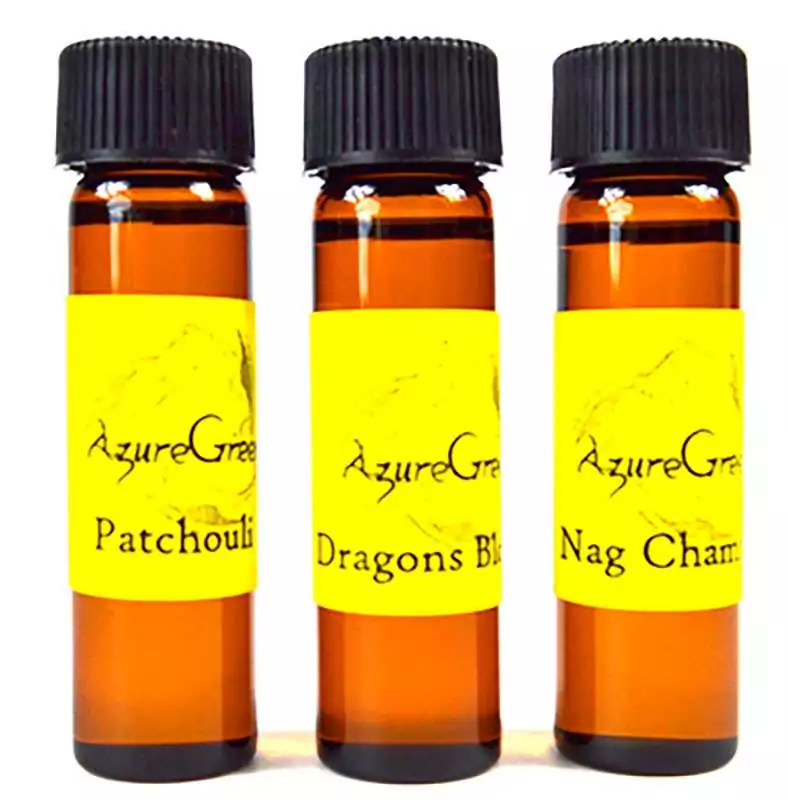
Quick Specs
- Brand: AzureGreen
- Type: Ritual aroma oil (fragrance)
- Scent: Heliotrope
- Size: 2 dram (about 1/4 oz)
- Traditional Association: Devotion, constancy, the sun
Heliotrope Oil and the Flower That Turns to the Sun
The name holds most of what the heliotrope has meant. It joins two Greek words, helios for the sun and trepein for turning, and it describes a plant said to follow the sun across the sky. Greek myth gave that belief a story, told by Ovid in the Metamorphoses: the nymph Clytie loved the sun god, lost him to someone else, and sat watching him cross the sky until she became a violet flower that keeps turning its face toward him. The garden heliotrope of Victorian borders, Heliotropium arborescens, is a South American shrub that grew into the same symbolism. In the Victorian language of flowers, where every bloom carried a fixed meaning, heliotrope stood for devotion and eternal love. The lesson in the image is constancy: facing the same source of light day after day, without needing it to answer. No ingredient list comes with the oil, so what the bottle carries is the flower’s reputation, and ritual use builds on that. Devotion, constancy, and the sun are easy meanings to hold in mind while you work, and the flower has carried all three.
A symbol of devotion gives you something to hold steady. People reach for heliotrope when the work is about loyalty to a person, a practice, or a promise: renewing a commitment, keeping a daily altar habit going, or marking the anniversary of something that mattered. The sun is the flower’s other half, so the scent also fits morning workings, when you set an intention at first light and let the day carry it. A 2 dram bottle is the small way to learn this scent. It holds about a quarter of an ounce, which covers a handful of candles and a few charm bags, and it slips into a drawer, a pouch, or a travel altar kit. A small bottle lets you find out whether heliotrope belongs in your practice before you commit to a larger one. A drop on a candle and a drop on a charm bag are enough to show you how the scent behaves. Within a few weeks you’ll know which meaning you return to most often, and whether a larger bottle would earn its place on your shelf.
Practical Ritual Applications
Heliotrope is a candle oil first. Dress a small candle with one drop, and say what you’re committing to as you work. Chime candles burn down in a single evening, so they pair well with a small bottle and one specific promise, and my chime candle collection has colors to match. A drop on the corner of a petition paper marks it as a working about loyalty, and a touch on a charm bag carries the same intent in your pocket. If you’re renewing a promise to a friend or partner, light the candle on the anniversary of the day you made it. For a daily practice, a dab on the base of the candle you light each morning ties the scent to the habit. Dress the candle away from the wick, and burn it in a holder where you can keep an eye on the flame.
How to Anoint a Candle With Heliotrope Oil
This is a short working for one candle and one promise, built around a 2 dram bottle.
- Name the promise
Pick one candle and one commitment before you open the bottle: a loyalty you're renewing, a habit you're keeping, or a promise you're making to yourself. Write it as a single sentence in the present tense and set the slip of paper under the candle holder. Heliotrope stands for staying turned toward one thing, so a vague wish with five parts blurs the working. A small bottle rewards one clear purpose per candle, and one candle per promise keeps the scent tied to the meaning.
- Dress the candle with a drop
Tilt the open bottle until a single drop wets your fingertip, then add a second only for a large candle. Stroke it along the candle from each end toward the middle, stopping well short of the wick, and say your sentence aloud as you go. Wipe your fingertip on a cloth before you touch the cap, so the bottle stays clean and the scent stays on the candle.
- Light it and face the flame
Stand the candle in its holder on a heat-safe surface and light it. Sit for a few minutes facing the flame the way the flower is said to face the sun, read your sentence once more, and let the candle burn with you nearby. When you're done, snuff it, cap the bottle, and put it away from warmth and light, since both wear down a fragrance oil over time.
The Tarot Fellow Standard
I carry Heliotrope in the 2 dram size because it’s the easiest way into a scent with this much symbolism. The flower carries plenty of meaning, so a small bottle leaves you free to settle on devotion, constancy, or the sun as you go. The oil borrows the flower’s reputation, which draws on Greek myth and the Victorian language of flowers. Once you’re reaching for it weekly, my 1oz AzureGreen oils collection is where to look for a roomier bottle.
Frequently Asked Questions
Heliotrope is also an old name for bloodstone, a green chalcedony flecked with red jasper. Pliny the Elder recorded magicians using the stone for invisibility, which is part of why the name carries so much lore. The two share a name and a history in magical writing, and this oil is a fragrance named for the flower. If you're looking for the stone, it's a crystal.
Think of it as an oil for objects first, because it's sold for dressing candles, cloth, and charm bags. Fragrance components irritate some people, and I have no ingredient list to check, so if you want to try it on yourself, mix a drop into a carrier oil, dab it on your inner forearm, and wait several days before any wider use. Rinse your eyes with water if any gets in them, and keep the bottle out of reach of children and pets. If you're pregnant or on medication, ask your clinician before skin use. It isn't for swallowing.
The flower is known for a sweet, vanilla-like scent, which earned the garden plant its nickname, cherry pie, and one cultivar is described as smelling of almonds. In perfumery the heliotrope note reads as powdery and warm, built on vanilla, almond, and cherry nuances. Perfumers usually build the note from a lab-made compound called heliotropin. Since I have no ingredient list for this oil, I'm describing the flower.



Reviews
There are no reviews yet