



Quick Specs
- Author: Richard Webster
- Type: Pendulum dowsing instruction and technique reference
- Format: Paperback
- Best for: Practitioners who want to develop serious pendulum technique beyond the basics
Pendulum Dowsing Instruction from Richard Webster: Fifty Practical Applications
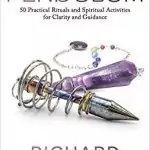
Richard Webster is one of the most widely read authors in the metaphysical publishing world, with over fifty books to his credit published primarily through Llewellyn. His writing style is notable for being genuinely clear rather than merely simplified, which is why his instruction books on tools like pendulums and crystals have become standard references for practitioners at multiple levels. How to Use a Pendulum covers fifty practical and spiritual activities you can perform with a single pendulum, from the foundational yes and no calibration exercises all the way through to map dowsing, locating lost objects, telepathic communication, chakra balancing, and working with angels and spirits.
The history of dowsing runs through this book as context rather than as the main subject. Webster traces the practice through its documented appearances in European history, noting its use by mining engineers in sixteenth-century Germany and its parallel development in folk traditions across Asia and the Americas. Understanding that dowsing predates the modern pendulum and that its mechanisms have been debated for centuries gives practitioners a more grounded relationship to the practice than most beginner resources provide. This historical context is one of the qualities that distinguishes Webster’s instruction from shorter introductory guides.
Programming a Pendulum, Map Dowsing, and Advanced Technique
Webster’s method for programming a pendulum is systematic and testable: you establish your responses by asking questions you already know the answers to, then confirm those responses through repeated use before moving to unknown territory. This approach prevents the common beginner problem of projecting desired answers onto ambiguous pendulum movements. The book gives specific guidance on cord length, the weight of the pendulum bob, physical position during dowsing, hydration, and the emotional and energetic states that make for reliable versus unreliable sessions. These practical details are often skipped entirely in entry-level material.
Map dowsing is one of the more sophisticated applications Webster addresses, covering how to use a pendulum over a map to locate people, water, or objects at a distance. The technique has a practical history in land surveying and archaeological prospecting, and Webster’s treatment is detailed enough to actually work with rather than merely know about. Browse my pendulum and dowsing books to see other instruction titles available alongside physical pendulums and dowsing mats.
How to Use the Book How to Use a Pendulum
How to approach Richard Webster's pendulum dowsing instruction for best results across the fifty activities covered.
- Program Your Pendulum Before the First Session
Program your pendulum before the first session. Webster explains how to establish personal yes, no, I don't know, and I won't answer responses by asking questions with known answers. This calibration is the most important foundation the book covers.
- Work Through the Fifty Activities in Sequence
Work through Webster's fifty activities in sequence. Early exercises build confidence with pendulum movements, and jumping to map dowsing or spirit communication before that foundation is in place often produces inconsistent and unreliable results.
- Use Webster's Three Pre-Session Questions
Practice the three pre-session questions Webster recommends: Can I, May I, and Should I. Asking these of your higher self at the start of each session orients your dowsing with ethical clarity and helps you recognize when you aren't ready to dowse.
The Tarot Fellow Standard
I carry this book because the customers who come to me asking how to use a pendulum often come back a few months later asking how to use it better. Webster’s book serves both visits. The foundational chapters are solid enough for a first-time practitioner, and the advanced applications, map dowsing, spirit communication, chakra work, are detailed enough to give an experienced dowser new territory to explore. I pair this with the physical pendulums I carry because a tool without instruction is only half the purchase. Webster is the author I trust for this topic, and this is the book I recommend when customers want to go beyond the basics. Explore my pendulum collection to find the right physical pendulum to work with alongside this guide.
Frequently Asked Questions
Webster covers fifty activities including choosing a pendulum, programming yes and no responses, finding lost objects, divinatory questions, map dowsing, chakra balancing, working with angels, and communicating with spirits through the pendulum.
Webster recommends a pendulum weighing around three ounces held on a cord at roughly four to five inches. His book explains how to test different pendulums before committing, and how cord length affects the sensitivity and readability of the swing.
Webster's book covers technique, history, and fifty applications for the serious practitioner. Beginner kits target an entry-level audience. Webster builds lasting dowsing skill through structured method and consistent practice over time.
Webster recommends hydrating before dowsing and avoiding pendulum work when tired, stressed, or reactive. He also suggests practicing privately first, as observers can influence pendulum movement for people still developing their dowsing confidence.


Reviews
There are no reviews yet