
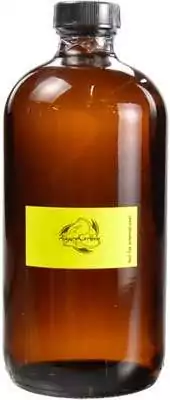
Quick Specs
- Brand: AzureGreen
- Type: Ritual aroma oil
- Scent: Hyssop
- Size: 16 oz (1 lb) bulk bottle
- Traditional Association: Cleansing, purification, protection
Hyssop Oil and the Biblical Language of Cleansing
Hyssop is a plant the Bible returns to repeatedly when it speaks of cleansing and sprinkling. In Exodus 12, at Passover, the Israelites are told to take a bunch of hyssop, dip it in the blood in the basin, and strike the lintel and the two side posts of the door. In Leviticus 14, hyssop travels with cedar wood and scarlet in a cleansing rite, and in Numbers 19 a clean person dips hyssop in water and sprinkles it on the tent, its vessels, and anyone who has touched the dead. Psalm 51:7 turned that gesture into an image of inner washing: “Purge me with hyssop, and I shall be clean.” The psalm is a prayer for forgiveness, so the washing it asks for goes deeper than the body. Those passages sit behind the ritual reputation hyssop carries today. Their imagery is water, sprinkling, and doorways, so it points toward washing a floor, wiping down a tool, marking a threshold, or clearing a room before a gathering. The oil takes that reputation as its theme. Wiping a doorframe or dressing a candle with the oil follows that same gesture of sprinkling things clean.
A 16oz bottle is a working supply, and it changes how you use the oil. At this volume, hyssop becomes a staple: the cleansing oil you add to every floor wash, put on candles through a whole season, or set out for a group that opens each gathering with a clearing. Shops that anoint candles for customers, covens and study circles with a shared altar, and households where more than one person works with ritual oil all fit that pattern. The scale also makes experiments easier, because you can try different dressings, wash recipes, and room sprays freely. Hyssop’s cleansing meaning is broad and steady, which suits an everyday role. A bottle this size also suits anyone who likes to portion oil into several small labeled bottles, one for the altar, one for the doorway, and one for the workbench. If your use is occasional, a smaller bottle of the same scent is the better start, and you can step up once you know how often you reach for it.
Practical Ritual Applications
Hyssop’s cleansing association fits washing work first. Add a few drops to a bucket of floor wash or a spray bottle of water, alongside the ritual washes you already use. Wipe altar tools, mirror frames, and doorframes with a cloth scented the same way. For a new-moon clearing, dress a white candle with a few drops from the center outward and let it burn down in a holder, away from drafts and curtains. A bulk bottle also leaves room for batches: a scented spray for the whole home, a wash for a shop floor, or a cloth for wiping down a communal altar. In a shop, a hyssop-scented cloth run over the counter and door handles at opening time gives the day a clean start.
How to Work With a Bulk Bottle of Hyssop Oil
Here's how I'd set up a 16oz bottle so it stays fresh and ready to use.
- Decant a working bottle
Use a funnel to pour an ounce or two into a small dropper bottle for the altar, and label it with the scent and the date. Close the large bottle tightly right away and store it somewhere cool and dark. Every time a big bottle opens, air gets in, and the more empty space above the oil, the faster a scent fades. A small working bottle keeps the reserve sealed between refills.
- Make a cleansing wash or spray
Add a few drops of oil to a bucket of floor-wash water, or fill a spray bottle with water and a few drops of oil. Oil and water separate, so shake the spray before each use. Start at the back of the space and work toward the door so the cleansing movement ends at the threshold, naming what you're clearing as you go. Test the mix on a hidden patch first, and keep it away from eyes, pets, and food surfaces.
- Close the working at the threshold
Finish at the door you came in by. Put a drop of oil on a cloth and touch it to the inside of the doorframe at the lintel, where it won't mark the paint, then stand a moment and say what you've cleared and what you're keeping out. Wipe the frame dry if the oil beads. When the working bottle runs low, refill it from the large bottle so the reserve stays sealed the rest of the time, and note the refill date on its label.
The Tarot Fellow Standard
I stock Hyssop in the 16oz size because cleansing is work that repeats: floors get washed again, doorways get marked again, and gatherings open the same way each time. A bottle this size is meant to be portioned out and used. Pour a little into a small bottle for the altar and keep the rest sealed. If you’d like to find your pace before committing to a pound, the same scent is available in my 2dr AzureGreen oils collection. Once hyssop becomes a regular habit, this bottle keeps you from reordering small ones.
Frequently Asked Questions
Probably not. The English Bible's hyssop translates the Hebrew ezov, and many scholars point to a wild oregano relative such as Syrian oregano, in the genus Origanum. Hyssopus officinalis is the blue-flowered mint-family shrub sold as hyssop today. The name reached English through Greek and Latin, and the plant it names shifted along the way. The cleansing association belongs to the name and the scripture, whichever plant the ancient writers meant.
I sell it as a concentrated aroma oil for washes, candles, and tools, not as a cosmetic or bath product. Fragrance ingredients cause reactions in some people, so patch-test a small amount diluted in a carrier oil on your inner forearm before any skin contact, and keep it away from eyes, pets, and children. If you're pregnant, nursing, or take medication, ask your clinician before using it on your skin. Never swallow it.
Fragrance oils generally stay usable for one to three years when they're sealed, cool, and out of the light. Heat and sunlight shorten that, so keep the bottle away from windows and warm rooms. Once the scent turns sour or the color changes noticeably, retire the oil. Writing the date you opened the bottle on its label makes that call easier, especially when you refill smaller bottles from it over many months.
This is an aroma oil that carries the hyssop name and its cleansing association. Dried hyssop is the leaves and flowers of a mint-family shrub, a plant material you scatter, sachet, or add to a ritual bath. The two do different jobs in a cleansing practice: the herb is the material, and the oil is a dressing for candles, cloths, and washes. No ingredient list is available for it, so I don't say it's pressed or distilled from the plant.


Reviews
There are no reviews yet