


Quick Specs
- Brand: Satya Sai Baba
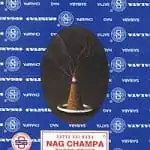
- Type: Incense cones
- Size/Quantity: 12 cones per pack
- Best for: Meditation, sacred space setting, yoga sessions, altar work
Nag Champa Cones: Origin and Scent Profile
Nag Champa is one of the most recognized incense fragrances in the world, rooted in the temple traditions of India and Nepal. The name combines “nag” (serpent, associated with deities) and “champa,” the common name for the magnolia-family Michelia champaca flower. Satya Sai Baba masala incense was first blended in the 1960s in Bengaluru, and the brand became the gold standard for this scent profile globally. These cones carry that same formulation: a warm, earthy blend of champaca, sandalwood, and halmaddi tree resin (from Ailanthus malabarica), giving the smoke a soft, slightly moist quality that burns differently than stick incense.
The cone format produces a denser, shorter burst of smoke than a stick, filling a small space quickly, which makes cones ideal for scenting a room before ritual work begins. The 12-cone pack provides enough material for multiple sessions without the fragrance degrading, provided you store the cones in a sealed container away from heat and humidity. Halmaddi resin naturally absorbs moisture from the air, so proper storage keeps the burn quality consistent across the full pack.
Traditional and Practitioner Uses
In Hindu and Buddhist practice, Nag Champa has been burned in temples and ashrams for centuries to signal the beginning of prayer, meditation, or puja. The scent primes the environment: practitioners across traditions report that the familiar aroma creates a conditioned response that eases the mind into a contemplative state. In Western practice, it became ubiquitous in yoga studios and meditation centers beginning in the 1970s, when it traveled with the broader interest in Indian spiritual traditions. It pairs naturally with sitting meditation, pranayama breathwork, and any ritual that benefits from a grounded, focused atmosphere.
Nag Champa is not a cleansing incense in the aggressive sense of sage or palo santo. It is better understood as a space-setter, something that shifts the quality of the air and the attention of the practitioner. It works well on altar spaces of virtually any tradition because the scent is warm and neutral enough not to clash with other symbolic elements. If you are working with deity figures, candles, or crystals on the altar, Nag Champa cones sit alongside that work without overpowering it.
How to Use Nag Champa Incense Cones
A guide to lighting and using Nag Champa incense cones safely and effectively.
- Prepare Your Burner
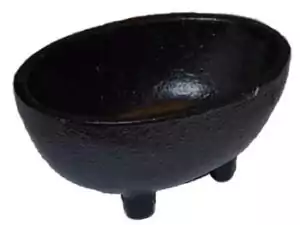
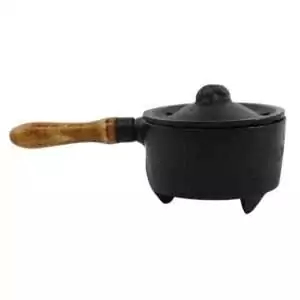
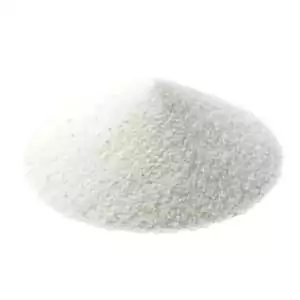
Place a cone incense burner or a heat-safe dish on a stable surface. Add sand to the base to catch ash. Keep the burner away from drafts, which disrupt the burn and can cause uneven smoldering or premature extinguishing of the cone.
- Light and Set the Cone
Hold a flame to the cone tip for five to ten seconds until it glows. Blow out gently so the tip smolders and produces a thin smoke thread. If the cone goes out, relight it and let the tip catch again before removing the flame.
- Use and Store
Allow the cone to burn fully in a ventilated room and never leave it unattended. Once cooled, dispose of the ash. Store unused cones in a sealed container away from heat and humidity to preserve the halmaddi resin and scent quality.
The Tarot Fellow Standard
I stock Satya Sai Baba because it is the original Bengaluru formulation, not a mass-market imitation. Many Nag Champa products use synthetic fragrance oils to approximate the scent, but the Satya blend uses natural halmaddi resin and champaca, which is why the smoke quality is noticeably different. The 12-cone pack is a practical quantity: enough to evaluate how the scent works in your specific space and routine without committing to a large stock. If you burn incense regularly, browse my full incense collection to find the right burner for cone use and other formats alongside it.
Frequently Asked Questions
Same Satya Sai Baba formula, different format. Cones produce a denser smoke burst and suit small spaces. Sticks give a longer, more even burn. Both carry the same champaca, sandalwood, and halmaddi resin scent profile the brand is known for.
A single Satya cone typically burns 20 to 30 minutes depending on airflow. Minimal circulation allows a slow, complete burn. A light draft shortens burn time. Place the burner away from open windows or fans for the most consistent results.
Yes. The familiar, grounding scent helps condition a transition into focused awareness. Light a cone a few minutes before your session so the room is lightly scented when you begin, rather than heavily smoky during active meditation or breathwork.
Halmaddi is resin from the Ailanthus malabarica tree, used as a binder in Indian masala incense. It gives Satya Nag Champa its slightly moist texture and rich, slow burn. Incense made without halmaddi burns faster with a thinner scent overall.


Reviews
There are no reviews yet