


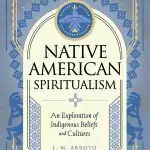
Quick Specs
- Author: L. M. Arroyo
- Publisher: Wellfleet Press (Mystic Traditions series)
- Format: Hardcover, illustrated
- Best for: Practitioners exploring Indigenous spiritual traditions, anyone studying nature-based spirituality with a respectful approach
What This Book Actually Covers
Native American Spiritualism by L. M. Arroyo is part of the Wellfleet Press Mystic Traditions series. Arroyo covers widespread indigenous spiritual traditions from across North America, including selected histories, myths, and legends from eight Nations including the Chippewa, Sioux, and Chumash. Each chapter closes with an application section that guides readers on how to reflect on Indigenous teachings in ways that honor the culture without crossing into appropriation.
The appropriation versus appreciation distinction is a central theme throughout, and Arroyo addresses it directly and with evident personal investment. The book does not try to make Indigenous practices available for non-native adoption wholesale. Instead, it shows how to learn from them in ways that build genuine respect and nature-centered awareness without displacing or copying sacred traditions that belong to specific communities.
Who This Book Is Written For
This is the right entry point for practitioners drawn to Indigenous spirituality who want to approach it with care rather than casualness. It is also genuinely useful for anyone who practices an earth-based spirituality and wants to understand how Indigenous traditions have shaped that broader landscape. The illustrated hardcover format makes it approachable for newer readers without being shallow in content.
How to Read Native American Spiritualism
Step-by-step guide.
- Begin With the Introduction
Arroyo's introduction establishes the tone of the book: deep respect for the Nations, clear boundaries around appropriation versus appreciation, and a framework for how non-native readers can engage honestly. Read this before the nation-by-nation
- Work Through Each Nation's Chapter
Each chapter covers a specific Nation's traditions and spiritual practices, then closes with an application section guiding readers on how to reflect on what they have read in relation to their own path. Do not skip these sections in the book.
- Use It as a Starting Reference
Arroyo covers eight Nations in a single volume, meaning each chapter is an introduction rather than a comprehensive account. For any Nation that particularly resonates with you, use this book as a launchpad and seek out writings by members of that
The Tarot Fellow Standard
I stock this book because it handles a genuinely difficult subject with care, and because the Mystic Traditions series has proven to be one of the more thoughtfully produced lines in this category. The illustrated hardcover format makes it a proper book rather than a pamphlet-style introduction, and Arroyo’s direct engagement with the appropriation question makes it more useful than books that avoid that conversation entirely. If you are building a nature-based spirituality library, you can browse my books collection for complementary titles.
Frequently Asked Questions
L. M. Arroyo writes from a position of deep research and personal investment, and the book is published with the goal of respectful representation. The Mystic Traditions series is designed to present these traditions accurately and reverently.
The book covers eight Nations including the Chippewa, Sioux, Chumash, Lakota, Cherokee, Lenape, and Chinook. It organizes chapters by region and Nation, covering oral traditions, seasonal ceremonies, myths, legends, and everyday spiritual practices.
Arroyo addresses the appropriation versus appreciation distinction directly throughout, particularly in the introduction and application sections. Rather than simply warning readers, the book redirects interest into genuinely respectful engagement.
It is written as an accessible introduction, suitable for readers with no prior knowledge of Native American spiritual traditions. The writing is clear and well-organized. Reviewers already familiar with parts of the subject found new material in the book.



Love this book!
Was not what o wweee