

Quick Specs
- Type: Hardcover illustrated book
- Size: 10.75″ x 12.25″
- Size/Quantity: One hardcover volume
- Best for: Fairy folklore study, nature spirituality, botanical art, Celtic traditions
A Natural History of Fairies: Victorian Field Guide to Fairy Lore
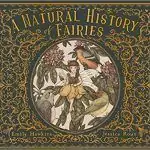
Emily Hawkins structures A Natural History of Fairies as a genuine Victorian natural history field guide, complete with species descriptions, habitat notes, behavioral observations, and taxonomic-style entries for fairy types drawn from British and European folklore. The conceit is sustained throughout: Hawkins writes as a 19th-century naturalist who has documented fairy species in the field, and the tone never breaks into fiction or fantasy explanation. This makes the book a genuinely unusual object, one that sits between folklore scholarship, illustrated art book, and imaginative nature study in a way that rewards multiple readings.
Jessica Roux’s botanical illustrations are the defining visual feature of the volume. Roux is known for her meticulous gouache artwork that blends natural history illustration traditions with a softly mythological sensibility, and her plates in this book depict fairy species alongside the plants, fungi, and landscapes of their supposed habitats. The combination of Hawkins’s field-naturalist prose and Roux’s detailed illustration style creates a book that reads as a period document rather than a modern fantasy title, which is its primary appeal for collectors and practitioners alike.
Fairy Folklore, Celtic Traditions, and Nature Spirituality
The fairy traditions Hawkins draws from are primarily rooted in British Isles folklore, including Welsh, Scottish, and Irish fairy lore that informed the Victorian fairy faith movement and continues to influence contemporary Celtic and nature spirituality practice. Readers familiar with W.Y. Evans-Wentz’s The Fairy-Faith in Celtic Countries or Katharine Briggs’s An Encyclopedia of Fairies will recognize the folkloric substrate beneath Hawkins’s playful naturalist framing. For practitioners working with faery faith, land spirits, or nature-based ritual traditions, the book provides a rich visual and textual vocabulary drawn from the same source material. Explore related titles in my mythical creatures and fairies book collection for additional fairy lore references.
The hardcover format gives this book the physical presence of a genuine natural history volume, which matters for readers who value books as objects as well as texts. The binding quality is consistent with the collector-friendly positioning of the title, and it holds up well on a reference shelf alongside actual Victorian natural history books if you collect in that area. As a gift, it works for a wide range of recipients: botanical art enthusiasts, fairy folklore readers, children with an interest in nature, and adults drawn to the aesthetics of Victorian illustration.
How to Use A Natural History of Fairies
How to engage with this Victorian-style fairy natural history as a practical folklore and nature spirituality resource.
- Read as a Field Study Guide
Start at the front matter, where Hawkins establishes the Victorian field-naturalist conceit. Treat this book as a genuine study guide rather than a story, annotating species entries that resonate with your own fairy-lore practice.
- Pair with Outdoor Practice
Use the habitat descriptions as prompts for outdoor ritual or nature observation. Pair a reading session with time spent in a woodland, garden, or hedgerow to connect the illustrated ecology with lived experience of place.
- Use Plates as Meditation Anchors
Return to Roux’s botanical plates as visual meditation anchors. Sketch or photograph plants depicted alongside real specimens from your garden or local area to weave this volume into a broader nature-spirituality practice.
The Tarot Fellow Standard
I stock this book because it genuinely occupies a unique position in the fairy folklore category: it is neither a children’s picture book nor a dry academic text, but an illustrated field guide that treats fairy tradition with the same care a Victorian naturalist applied to botanical or ornithological documentation. The Roux plates alone justify shelf space. If you are building a Celtic or nature spirituality library, browse my Celtic and druidry books collection for titles that complement this volume’s folkloric and land-based themes.
Frequently Asked Questions
The book is written by Emily Hawkins and illustrated by Jessica Roux. Hawkins provides the naturalist-style text and field notes, while Roux contributes the botanical-style fairy illustrations that define the book’s visual identity.
The format follows a Victorian natural history field guide, presenting fairy species with habitat notes, behavioral observations, and detailed illustrations as though documenting real organisms encountered in the British countryside.
It works well for readers drawn to fairy folklore, Celtic nature traditions, botanical art, and Victorian natural history aesthetics. Those interested in nature spirituality or faery faith practices will find it particularly resonant.
It is a hardcover edition, which gives it the heft and shelf presence of an actual Victorian natural history volume. The binding and paper quality support the naturalist-archive aesthetic that makes this book distinctive.

Reviews
There are no reviews yet