

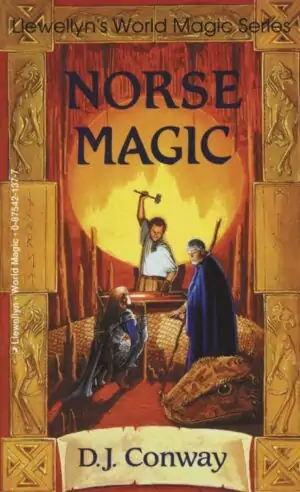

Quick Specs
- Brand: Phoenix Publishing
- Type: Pagan and Wiccan tradition reference book
- Size: 9.2″ x 6.2″ x 0.8″
- Size/Quantity: Paperback, 9.2 x 6.2 x 0.8 inches
- Best for: Intermediate practitioners, coven leaders, tradition survey, Celtic and Wiccan study
Pagan Path by Farrar, Farrar and Bone: A Wiccan Tradition Survey
The Pagan Path arrived in 1995 as a collaborative work by Janet and Stewart Farrar together with Gavin Bone, building on the Farrars’ earlier foundational texts to map the landscape of modern paganism more broadly than any single tradition. Where Eight Sabbats for Witches focused on the Alexandrian system the Farrars practiced, this book widens the lens to include Celtic reconstructionism, ceremonial blends, and the diverse paths practitioners were following by the mid-1990s as Wicca spread far beyond its British initiatory roots.
Gavin Bone’s contribution matters here. His background in Irish traditional practice and progressive Wicca brought a perspective to the collaboration that neither Farrar alone could supply. Together the three authors tackle deity theology with unusual directness, examining how different pagan paths understand the relationship between practitioner and god rather than glossing over doctrinal differences with vague universalism. That candor is what keeps the book useful decades after its original publication.
Ritual Structure, Covens, and the Wheel of the Year
The chapters on coven structure and initiation rites remain among the clearest practical guides written from inside working traditions rather than as academic observation. The Farrars ran initiatory covens for decades, and that experience shows in how they describe the social dynamics, the function of degrees, and the question of who holds what authority in a group practice. Solitary practitioners benefit from these chapters too, gaining a clear picture of what coven structure looks like so they can decide with open eyes whether that model fits their path.
The wheel of the year coverage surveys how different pagan paths interpret the eight sabbats rather than prescribing a single calendar. That comparative approach makes it a useful reference when a practitioner encounters, say, a Druidic interpretation of Imbolc that differs from their Wiccan training. You can browse my paganism and Wicca books for companion volumes by the Farrars and by other foundational authors in the tradition.
How to Use Pagan Path
How to work with this broad pagan tradition survey whether you are a solitary practitioner or a coven leader.
- Read the tradition map first
Begin by reading the first two chapters alongside any tradition-specific texts you already own. The Farrars situate each pagan path within a broader map, so grounding in that context sharpens how the specific practices land.
- Use deity chapters as a ritual reference
Use the deity relationship chapters as a reference during ritual planning rather than as a cover-to-cover read. Mark the deities and seasonal rites matching your tradition, then return when designing rituals for the wheel of the year.
- Discuss coven structure with your group
For coven leaders and study group facilitators, the chapters on group structure read best in conversation with other practitioners. Read a section, discuss what fits your group’s culture, then adapt the material rather than adopting it wholesale.
The Tarot Fellow Standard
I stock The Pagan Path because it is one of the few tradition surveys written by practitioners who actually ran initiatory covens rather than scholars observing from outside. The Farrars and Bone write with the kind of specificity that comes from decades of real practice, which makes this a reference worth returning to rather than a one-time read. Find it alongside other foundational texts in my books and journals collection.
Frequently Asked Questions
The Pagan Path covers solitary and coven Wicca, Celtic and ceremonial influences, deity theology, ritual structure, and the wheel of the year. It is one of the broader tradition surveys the Farrars produced late in their collaborative career.
Janet and Stewart Farrar wrote foundational Wiccan texts including Eight Sabbats for Witches and The Witches’ Way. Gavin Bone joined for this book, adding Irish and broadly Celtic perspectives to the Farrars’ Alexandrian Wiccan grounding.
Yes. The Pagan Path works for both. Solitary practitioners gain a comparative framework for understanding traditions beyond their own, while group leaders find practical guidance on coven structure, degrees, and ritual roles.
The Pagan Path complements Scott Cunningham’s solitary works and pairs well with Doreen Valiente’s foundational poetry. For earth-based theology, Starhawk’s Spiral Dance covers overlapping ground from a feminist Wiccan perspective.


Reviews
There are no reviews yet