

Quick Specs
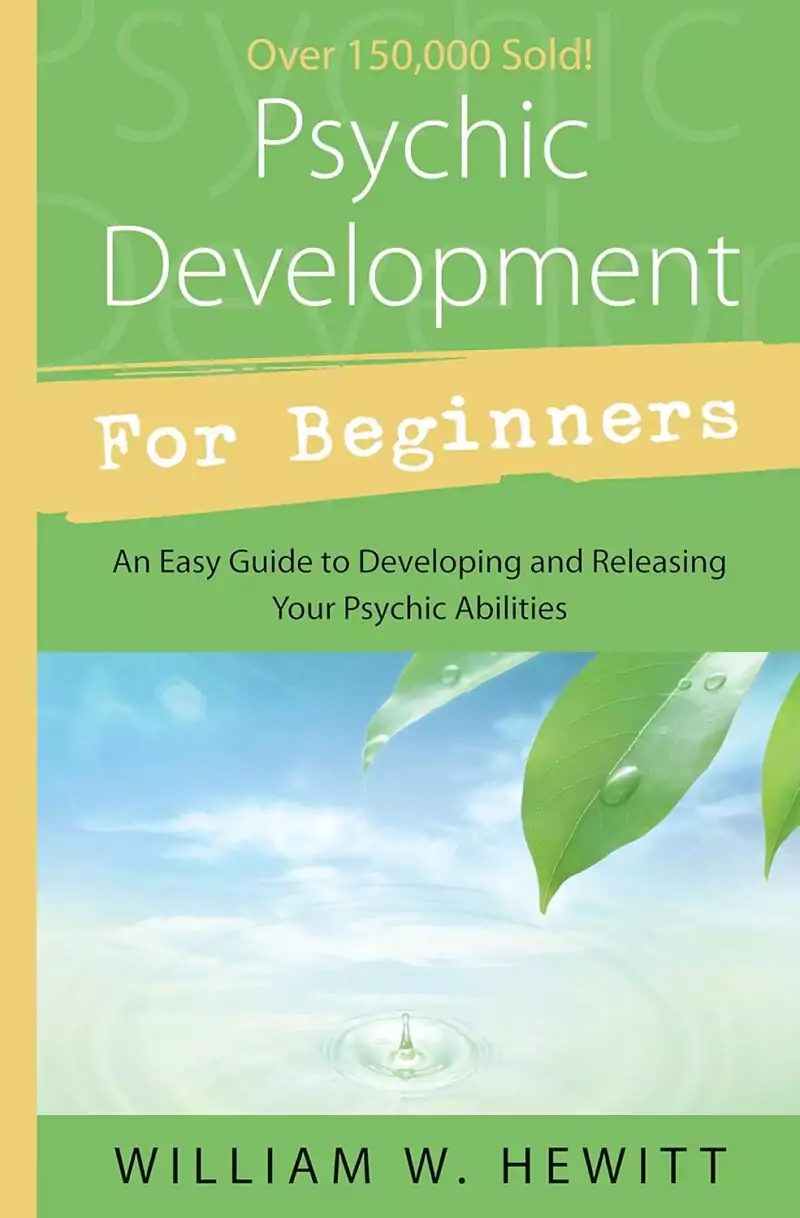
- Author: William W. Hewitt
- Publisher: Llewellyn Worldwide (expanded edition 2002)
- Pages: 216
- Best for: Beginners wanting a structured, exercise-based psychic development program
A Structured Curriculum for Psychic Ability Development
William W. Hewitt spent more than thirty years as a practicing hypnotherapist and Llewellyn author before writing this guide in 1996. That background is visible throughout the book’s structure: each chapter teaches exactly one psychic ability, provides the theoretical framing, and then hands the reader a numbered mental exercise to practice. The curriculum runs from basic sensory sharpening through psychic healing, clairvoyance, telepathy, psychometry, astral travel, divination, and communication with spirits and animals. That sequential build distinguishes this book from introductory texts that survey the topic without giving you a repeatable technique for each skill.
The book’s opening premise is that the psychic sixth sense depends on acute first five senses. Hewitt spends an entire chapter, six separate exercises, training each conventional sense before any “psychic” work begins. This methodical approach means the reader is building genuine mental discipline, not just hoping for spontaneous results. Over 44 exercises and 28 case studies are spread across the text, so every technique comes with real-world examples from Hewitt’s own practice and from people he worked with directly.
How This Book Differs from Intuition Development Guides
Call of Intuition by Kris Franken, another title I carry, is a flow-based, feminine-energy approach that emphasizes felt sense and organic unfoldment of psychic awareness. Hewitt’s book is its structural counterpart: clinical, sequential, and explicitly goal-oriented. If you resonate with a workbook format and want to progress through named abilities one at a time, Hewitt’s framework is the better fit. If you prefer a more intuitive and holistic approach, Franken’s title may serve you better. Both are valuable; they simply operate on different premises about how psychic ability develops.
Hewitt also includes chapters on psychic self-protection and on using psychic skills for entirely practical purposes: reserving a parking space in advance, waking without an alarm, achieving superior reading comprehension. He is not mystifying the subject; he is treating psychic ability as a learnable skill set with measurable, everyday applications. Browse my tarot and divination books collection for other structured guides to expanding your intuitive and psychic practice.
How to Use Psychic Development for Beginners
Three steps for working through Hewitt's structured psychic development curriculum effectively.
- Start with Sensory Sharpening
Begin with Chapter 3 on sensory sharpening. Hewitt runs six exercises to heighten sight, hearing, touch, smell, and taste before any psychic work begins, because he treats the psychic sixth sense as built on top of acute first five senses.
- Work Through the Curriculum in Sequence
Work through the exercises in order. Chapter 4 teaches the basic psychic level, a mental state you return to for every later skill. Each chapter then adds one ability: psychic shield, visualization, healing, clairvoyance, telepathy, psychometry.
- Log Your Practice and Compare to Case Studies
Keep a practice log with dates and outcomes. Hewitt includes 28 case studies showing real results. Comparing your logs to those studies calibrates expectations and reveals where your strongest innate ability may already be emerging.
The Tarot Fellow Standard
I stock this title because it is a genuine teaching text, one of Llewellyn’s most proven sellers with over 200,000 copies in print for good reason. Hewitt doesn’t pad the curriculum with theory; every chapter earns its place with a concrete exercise and a real case study. This is the book I point to when someone asks for a structured program rather than an inspirational overview. For complementary tools to practice with, browse my full books and journals collection.
Frequently Asked Questions
The book covers clairvoyance, telepathy, psychometry, astral travel, psychic healing, divination, and communication with animals and spirits. More than 44 numbered exercises across these abilities are included, each paired with real case studies.
Primarily exercise-based. Each chapter introduces one ability and provides a numbered mental exercise, backed by case studies showing real outcomes. There is enough framing to understand why each technique works, but the emphasis is practical.
Franken's intuition guides are flow-based and intuitive, drawing on felt sense and feminine energy. Hewitt's approach is structured and clinical, with numbered exercises and a sequential curriculum through named psychic abilities.
Yes. Psychic Development for Beginners is published by Llewellyn Worldwide, first in 1996 and in an expanded edition in 2002. It is one of Llewellyn's most enduring practical guides and has sold well over 200,000 copies across its print run.




Reviews
There are no reviews yet