
Quick Specs
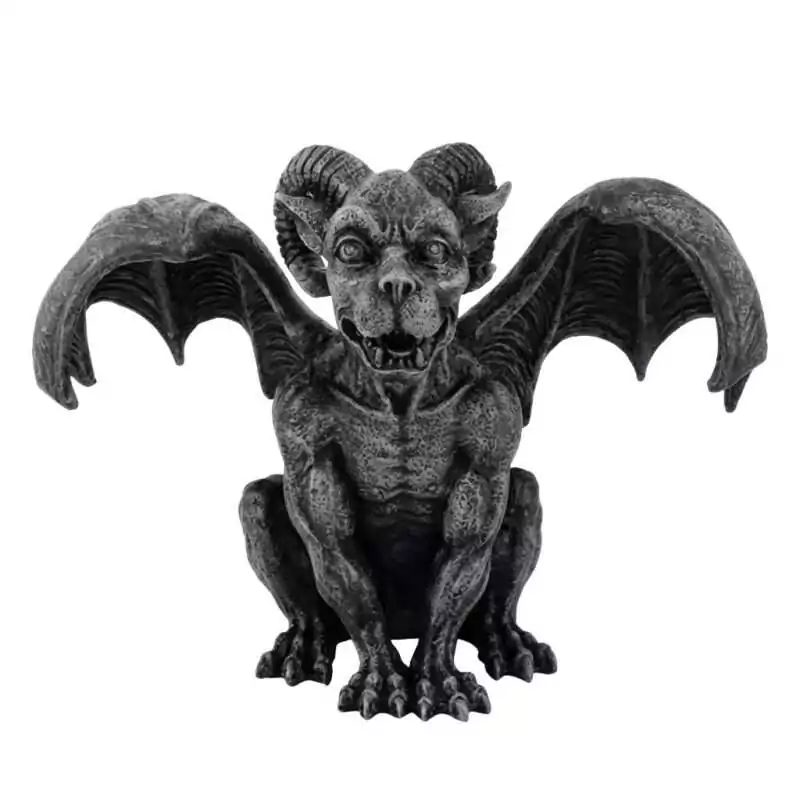
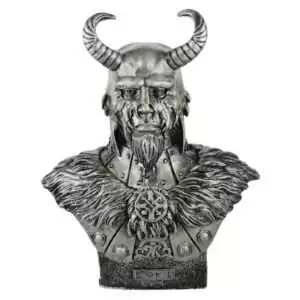
- Type: Cast resin gargoyle statue
- Size: 6″
- Size/Quantity: 6 inches tall
- Best for: Altar guardian use, threshold protection, gothic sacred space decor
Gargoyles as Protective Sentinels in Gothic and Pagan Tradition
The gargoyle as an architectural form dates to medieval Gothic cathedral construction in twelfth and thirteenth century France, where the figures served the practical function of waterspouts, channeling rainwater away from masonry through carved stone channels typically terminating in grotesque heads or figures. The word derives from the Old French gargouille, meaning throat. Over the centuries, as Gothic architecture became associated with mystery, the sacred, and the occult imagination, the grotesque guardian figures accrued protective spiritual meaning well beyond their original function.
In contemporary Wiccan and pagan practice, gargoyle statues are used as threshold guardians: placed at entrances, windowsills, or altar corners and consecrated to watch over a space. This use draws on the apotropaic tradition common to many cultures, in which fearsome or grotesque images ward off harmful spirits or energies by presenting a formidable presence at the threshold. The psychological mechanism is sound even without a purely metaphysical framework: a declared guardian changes how the practitioner perceives and treats a space.
Ram Horns and the Horned God Archetype
The ram horns on this gargoyle add a layer of symbolism beyond generic gothic grotesque. In Wicca the Horned God is often depicted with ram, stag, or goat horns, linking him to Pan, Cernunnos, and the broader archetype of the horned deity of the wild and the hunt. Ram energy in particular corresponds to Aries in astrology, ruled by Mars, associated with determination, initiative, and the force that breaks through resistance. A ram-horned guardian carries both the watchfulness of the gargoyle tradition and the martial, forward-charging energy of the ram. Browse my statues collection for additional guardian and protective figures in my inventory.
At 6 inches this figure is compact enough for windowsill or bookshelf placement but substantial enough to function as an altar guardian without looking incidental. The aged stone or patinated finish on cast resin mimics the weathered appearance of actual Gothic stonework. It is a versatile piece that reads as a statement object in gothic home decor and as a practical protective figure in pagan altar work.
How to Use Ram-Horned Gargoyle Statue
How to position and consecrate a ram-horned gargoyle statue as a threshold guardian and altar protector.
- Position as Guardian
Place the gargoyle at your ritual space entrance, on a windowsill, or at altar corners. Face him outward toward the threshold or source of potential intrusion. Gargoyle figures are directional: they guard by facing outward from the protected area.
- Consecrate and Assign Purpose
Consecrate the gargoyle by anointing its base with a protective oil such as dragon’s blood or frankincense, then state its purpose aloud. Name it as guardian and ask it to hold the threshold of your space against any unwanted or harmful intrusion.
- Maintain the Protective Relationship
Acknowledge the gargoyle each time you enter the space it guards. A brief word, a nod, or a candle lit beside it maintains the working relationship. Re-anoint at the solstices or new moons to reinforce the protective charge assigned to the figure.
The Tarot Fellow Standard
I stock this gargoyle because it does double duty: it works as a genuine altar guardian in pagan practice and as a quality decorative piece for gothic-aesthetic spaces, without looking cheap or novelty-grade. The ram-horn detail earns its place by adding real symbolic depth. For other protective altar pieces and guardian statues in my inventory, browse my amulets and talismans collection for complementary protective objects suited to threshold and altar guardian work.
Frequently Asked Questions
Gargoyles originated as water spouts on Gothic cathedrals in medieval Europe. Over centuries grotesque stone figures became linked with spiritual protection, believed to ward off evil spirits from sacred buildings through fearsome apotropaic use.
Ram horns link this gargoyle to Aries energy, determination, and the Horned God archetype in Wicca and folk magic. The ram is associated with Mars, breakthrough, and the force that drives through obstacles without hesitation or backing down.
Yes, a gargoyle statue is used in Wiccan and pagan practice as a threshold guardian and altar watcher. It draws on centuries of association between grotesque stonework and apotropaic magic, the practice of warding off harm through fearsome imagery.
This gargoyle stands 6 inches tall, cast in resin with an aged stone finish. It suits altar placement, bookshelf display, windowsill guardian use, or gothic home decor. The ram-horn detail distinguishes it from standard winged gargoyle figures.


Reviews
There are no reviews yet