
Quick Specs
- Botanical Name: Salvia officinalis
- Common Name: Garden sage, common sage
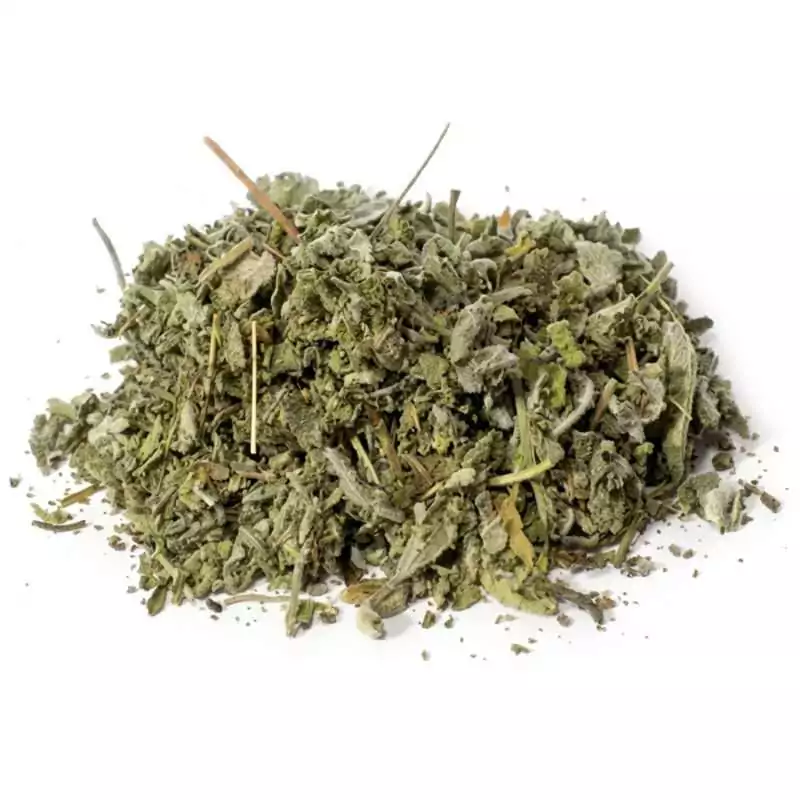
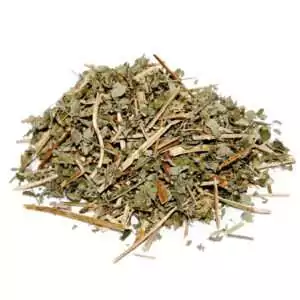
- Form: Cut dried leaf
- Size/Quantity: 2 oz
- Best for: Wisdom spells, purification sachets, protection work, kitchen witchery
Salvia Officinalis: The Wisdom Herb of European Tradition
This is Salvia officinalis, common garden sage, the silver-green culinary and medicinal herb with a deep root in European magical tradition, and it is distinct from Salvia apiana, the California white sage used in smudge bundles. Both are true sages, but they carry different correspondences and are used in different ways. Salvia officinalis appears in ancient Egyptian, Greek, and Roman herbalism; its Latin name contains “officinalis,” meaning it was recognized in the official pharmacopoeia of medieval apothecaries. The name “sage” itself derives from the Latin “salvare,” to save or to heal, pointing directly to its historic reputation as a life-preserving plant.
In European folk magic and kitchen witchery, Salvia officinalis is the sage of wisdom spells, protection sachets, and longevity work. Italian folk tradition held that “why should a man die while sage grows in his garden,” a sentiment that crossed into magical herbalism as a belief in sage’s life-sustaining and protective power. Practitioners crush dried sage leaves and add them to incense, blend them into sachets, or burn them on charcoal to clear space before ritual work. Unlike white sage, common sage has a strong culinary aroma, resinous and camphoraceous, that blends well with rosemary, thyme, and other Mediterranean herbs in European-tradition spell work. Browse my wisdom and spiritual growth herbs for botanicals that pair naturally with Salvia officinalis in study and discernment workings.
Practical Applications for Common Sage Leaf
Cut sage leaf in a 2 oz packet gives you plenty to work with across multiple applications. A small sachet of sage carried during study or negotiation represents one of the oldest recorded magical uses of the plant. Writing a wish on a dried sage leaf, sleeping with it under your pillow for three nights, then burying it if the wish has not manifested, is a documented folk tradition that appears in English and Italian herbalism. Sage also blends naturally into ritual incense for purification when you want a botanical smoke that is more earthbound and resinous than white sage’s sharp, high-desert character.
Common sage contains thujone, a compound that makes it inadvisable to use internally in large, repeated quantities, though culinary use in cooking is considered safe by mainstream standards. The dried leaf in this listing is intended for magical and ritual use. It is not a substitute for Salvia apiana if you specifically want the traditional white sage experience, and smudge bundles made from Salvia officinalis have a different aesthetic and aroma profile than those made from white sage.
How to Use Cut Sage Leaf in Ritual
Three traditional ways to work with cut Salvia officinalis in wisdom, purification, and intention-setting practice.
- Build a Wisdom Sachet
Fill a small cloth bag with a tablespoon of dried Salvia officinalis, a bay leaf, and a pinch of rosemary. Carry it when facing decisions or exams where clarity and sound judgment are needed. Replace herbs when the aroma fades.
- Burn Sage Leaf as Purification Incense
Crumble a small pinch of dried sage onto a lit charcoal disc in a fireproof bowl. The resinous smoke is distinct from white sage. Move the bowl through rooms or around ritual tools to clear stagnant energy before spellwork begins.
- Use the Wish-Leaf Practice
Write a single clear wish on a whole dried sage leaf. Place it beneath your pillow for three consecutive nights. If you dream of the wish, tradition holds it as a positive sign. If not, bury the leaf in soil to release the intention.
The Tarot Fellow Standard
I stock Salvia officinalis because it’s the sage that actually fills the role described in most European-tradition grimoires and folk magic books, and yet most herb shops either mislabel it or bury it under the white sage marketing wave. Common sage has a deeper documented magical history on the European continent than Salvia apiana does, and it’s the herb you want for kitchen witchery, wisdom work, and Mediterranean-tradition practice. The 2 oz cut size is the right working amount for sachets, incense blending, and the wish-leaf practice. Find additional European tradition herbs in my complete herb collection.
Frequently Asked Questions
No. This is Salvia officinalis, garden sage, the culinary and European-tradition magical herb. White sage for smudge bundles is Salvia apiana, a different California species. Both are magical herbs but serve distinct traditions.
Common sage is used for wisdom, protection, purification, longevity, and wish-granting in European folk magic. It appears in sachets for clarity, incense for space cleansing, and the wish-leaf practice of writing desires on the leaf.
Yes. Crushed Salvia officinalis burns well on charcoal and blends with rosemary, thyme, and frankincense. The aroma is resinous and camphoraceous, stronger than white sage, making it a grounding addition to purification blends.
Two ounces of cut dried sage is a generous working supply for multiple sachets, several incense sessions, and repeated wish-leaf practice. Store in a sealed jar away from heat. Grind with a mortar and pestle if finer texture is needed.
Reviews
There are no reviews yet