

Quick Specs
- Type: Polychrome jasper polished specimen, one face polished
- Size/Quantity: Set of 2, each weighing 1.6 to 2.0 lbs
- Best for: Root and sacral chakra work, altar display, grounding practice, crystal collections
Polychrome Jasper: Formed in Madagascar and Distributed via Indonesia
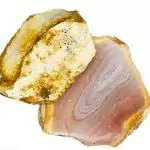
Polychrome jasper, also traded under the names desert jasper and royal savanna jasper, is a multicolored chalcedony naturally occurring in Madagascar; these specimens are imported and distributed via Indonesia. This stone has become one of the more distinctive display and working stones in the crystal market over the past two decades. Its characteristic palette of terracotta oranges, sienna reds, mustard yellows, creamy whites, and smoky greys reflects the laterite-rich soils of its origin region, and the swirling landscape-like patterns within each stone are the result of silica-rich hydrothermal fluids moving through volcanic rock over millions of years. No two specimens are identical, and the variation between pieces is part of what makes polychrome jasper sought after for both display and active practice.
The polishing of one face serves a specific purpose: it reveals the internal color banding and pattern structure that the natural exterior surface obscures. Left in natural form, jaspers often show only their surface skin, a muted exterior that gives little indication of what lies within. Polishing one face opens a window into the stone’s geology, creating a piece that functions as both an aesthetic object and a tactile working stone. The weight of these specimens, between 1.6 and 2 pounds each, makes them substantial presences on an altar rather than accent pieces. Browse my crystal and mineral specimens for kindred display and working stones.
Root and Sacral Chakra Grounding in Ritual and Altar Practice
Jasper broadly is associated with the element of earth and the root chakra in most crystal healing systems, and polychrome jasper extends that association into the sacral chakra through its warm orange and rust tones. In practical terms, practitioners use it for grounding ceremonies, anchoring grid layouts, working with physical vitality during extended ritual, and as an altar centerpiece during earth-oriented seasonal rites. The substantial weight means it holds its position during active work rather than shifting, which matters for altar arrangements that need to remain stable through ritual movement around them.
How to Work with Polychrome Jasper Specimens
How to set up, work with, and maintain these polychrome jasper polished specimens on the altar or in active crystal practice.
- Observe color and pattern in natural light
Place both pieces in natural light to observe their full color range before positioning them on your altar. The polished face reveals swirling terracotta, rust, and cream bands clearly, while the natural side shows the stone’s unworked texture.
- Position on altar with polished face up
Orient the polished face upward to catch light on your altar. The weight of each piece, between 1.6 and 2 pounds, grounds the arrangement physically. Pair with red, orange, or brown candles for root and sacral chakra work focused on vitality.
- Maintain the polish with dry cleaning
Clean the stones with a soft dry cloth to maintain the polish. Polychrome jasper tolerates sunlight well and does not require water cleansing, making it easier to maintain than light-sensitive minerals. Avoid acid-based cleaners on the surface.
The Tarot Fellow Standard
I stock polychrome jasper because it occupies a useful position between display piece and working stone, substantial enough to anchor an altar arrangement and distinctive enough in pattern to hold visual interest over time. The one-face-polished format is the right format for this stone: you get the visual access without losing the tactile character of the natural surface. Find it alongside other significant mineral specimens in my crystals, stones, and gemstones collection.
Frequently Asked Questions
Polychrome jasper is a multicolored chalcedony naturally formed in Madagascar and imported via Indonesia, known for swirling patterns in terracotta, rust, mustard, cream, and grey. It is also called desert jasper or royal savanna jasper depending on the distributor and trade name applied.
Polychrome jasper is associated with the root and sacral chakras and the element of earth. Practitioners use it for grounding, vitality, and supporting steady energy during transitions or extended ritual work requiring physical presence and focus.
Each set contains two specimens weighing 1.6 to 2.0 pounds each, with one face polished smooth to reveal the stone’s internal patterning. The remaining surfaces retain natural texture. Exact colors and patterns vary between individual specimens.
Polychrome jasper pairs well with red jasper, picture jasper, and earth-toned stones for root chakra work. For altar displays it complements bloodstone and mahogany obsidian. Carnelian pairings add sacral chakra support for creative vitality.
Reviews
There are no reviews yet