

Quick Specs
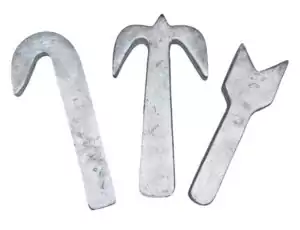
- Type: Orisha ritual implements set
- Size/Quantity: One complete set
- Best for: Shango devotion, Santeria altar work, Lucumi ceremonial practice
Shango: Orisha of Thunder, Fire, and Justice in Lucumi Tradition
Shango, also written Chango, is among the most powerful and widely venerated Orishas in the Yoruba-derived spiritual traditions of the African diaspora. In the Cuban Lucumi and Santeria traditions, he governs thunder, lightning, fire, virility, and righteous justice. His mythology describes him as a warrior king of the ancient Oyo Empire who became deified after his death, and that royal, warrior character permeates every aspect of his ritual practice. To work with Shango is to engage with fierce, assertive energy, the energy of decisive action, righteous power, and the force that cannot be intimidated or turned aside.
Shango’s sacred colors are red and white, present in every aspect of his altar and ritual implements. Red reflects his fire, his warrior nature, and his fierce power. White reflects his connection to Obatala and the purity of his justice. These two colors together identify Shango immediately in any Lucumi or Santeria ceremonial context, and any implements or tools dedicated to him must honor this chromatic identity. The ritual set in red and white is the correct presentation for a Shango altar in initiatory Yoruba-derived practice.
The Oshe Double-Axe and the Implements of Shango’s Altar
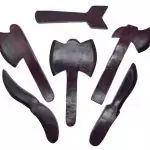
The double-headed axe, known in Lucumi as the Oshe, is Shango’s most recognized symbol and his primary ritual implement. It represents his lightning strike, his warrior authority, and his identity as a king. No Shango altar in formal Lucumi or Santeria practice is considered complete without the Oshe prominently displayed. The implement serves as both symbol and vessel, a physical anchor for Shango’s presence on the altar and a focal point for petition and devotion. The broader Santeria and Lucumi ritual tradition assigns specific implements to each Orisha, and Shango’s set is among the most immediately recognizable.
Working with Orisha implements requires understanding their place in the tradition’s protocol. These are not decorative items. In Lucumi practice, the tools of each Orisha are treated with deep respect, maintained separately from the implements of other Orishas, and approached with proper greeting and offering before any request or working. For practitioners who have received Shango through initiation, these tools represent a living relationship with the Orisha rather than a symbolic one. For those working in a more devotional capacity outside formal initiation, the tools serve as a focal point for respectful engagement with Shango’s energy and mythology.
How to Use Shango Tools
Three essential protocols for establishing and maintaining a respectful Shango altar with these ritual tools.
- Set Up the Altar
Establish a dedicated red and white altar space for Shango before placing the tools. Drape the surface in red and white cloth, position the Oshe double-axe symbol prominently, and place a red candle and an offering of apples or red wine nearby.
- Greet and Offer
Present the tools with respect each time you approach the altar. Greet Shango by name, state your purpose clearly, and make an offering appropriate to his tastes, such as red palm oil, corn, plantains, or a small glass of rum before working.
- Maintain Separately
Keep the Shango tools separate from tools designated for other Orishas. In Lucumi practice, each Orisha’s implements are maintained and stored distinctly, as mixing the implements of different Orishas is considered disrespectful to each.
The Tarot Fellow Standard
I carry Shango tools because the Orisha tradition deserves proper, tradition-respectful implements rather than generic substitutes. Shango is a serious and demanding Orisha in Lucumi theology, and the tools used to honor him should reflect that gravity. This red and white set is correctly presented for the tradition, carrying the Oshe symbol that is central to Shango’s identity. Santeria is a living tradition, and this set is a supply for devotion, not a substitute for initiation or for the guidance of a godparent and house. Practitioners building a Santeria or Lucumi practice will find complementary statues, candles, and ritual supplies in my statues collection, where other Orisha representations are also available.
Frequently Asked Questions
Shango is the Orisha of thunder, lightning, fire, virility, and justice in the Yoruba-derived Lucumi and Santeria traditions of Cuba and the broader African diaspora. He is among the most powerful and widely venerated Orishas in the tradition.
Shango’s sacred colors are red and white. Red represents his fire, power, and warrior nature. White represents purity and his connection to Obatala. Altars, offerings, and ritual items for Shango are traditionally presented in these two colors.
The double-headed axe, known in Lucumi as the Oshe, is Shango’s most recognized symbol. It represents his lightning strike and his role as a king and warrior. The Oshe appears on all formal Shango altars and is central to his ritual identity.
Shango governs issues of justice, personal power, righteous anger, and the resolution of legal matters. Practitioners call on him when seeking strength in confrontation, fairness in disputes, or asserting themselves against abusers of power.

Reviews
There are no reviews yet