
Quick Specs
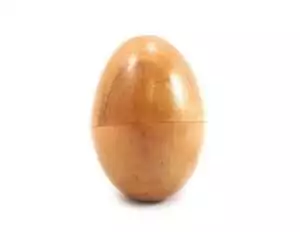
- Type: Wooden puzzle box with hidden compartment
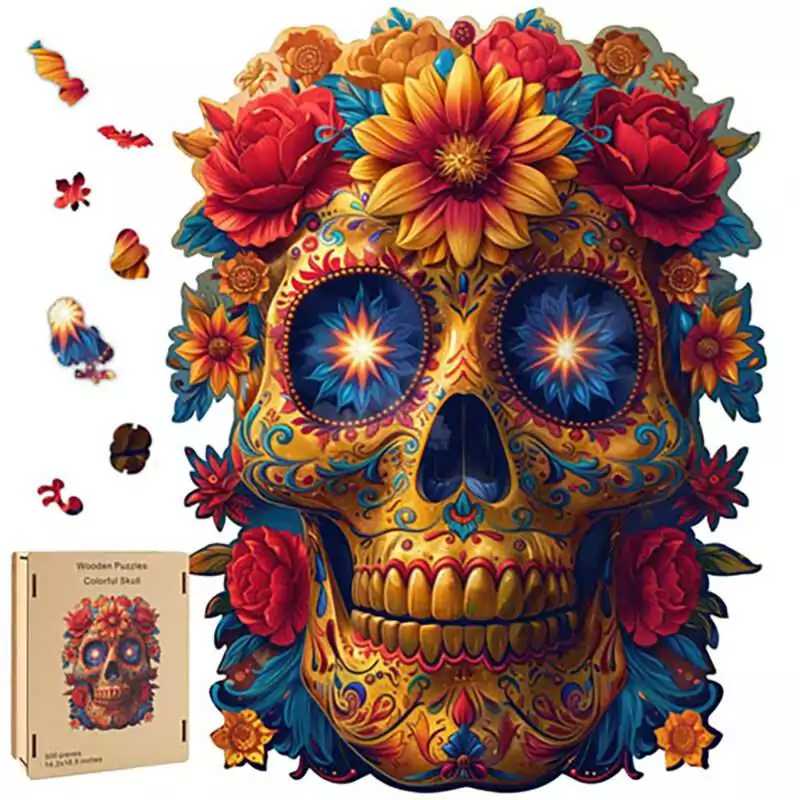
- Design: Skull and roses motif, Day of the Dead aesthetic
- Construction: Hardwood, interlocking puzzle mechanism
- Best for: Memento mori collectors, altar keepsakes, gothic gifts
Skull and Roses: Memento Mori and Dia de los Muertos
The pairing of skull and rose is one of the most enduring symbols in Western visual culture. As a memento mori tradition dating to medieval Europe, the skull reminded viewers that life is finite and therefore precious. The rose brought in the counterpoint: beauty, love, and the full bloom of living. Together, the two images became a philosophical statement rather than a morbid one, affirming that awareness of death sharpens rather than diminishes appreciation for life.
Mexico’s Dia de los Muertos tradition takes that tension and celebrates it. The sugar skull, adorned with flowers and bright color rather than left stark and bone-white, became an act of love directed toward those who have died. In countercultural rock iconography the skull-and-roses image carried a similar message: the skull does not threaten but watches, and the roses around it remind you that life and death are wound together inseparably. All three traditions converge in this puzzle box design.
Practical Uses for the Gothic and Ancestral Practitioner
A skull-and-roses puzzle box suits the altar of someone who works with ancestor veneration, death magic, or Samhain rituals. The hidden compartment can hold offerings or memorial tokens meant for the dead: a photograph, a piece of jewelry belonging to an ancestor, a handwritten note. Many people who keep ancestor altars store memorial items with particular care, away from everyday objects, which makes a sealed puzzle box a practical choice.
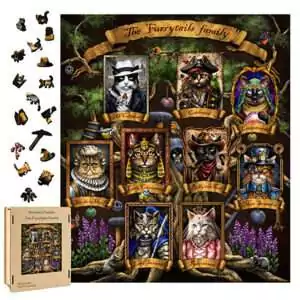
This box differs from the Tree of Life and Furry Tails puzzle boxes in my collection by centering explicitly on death-and-rebirth symbolism rather than cosmological diagrams or animal warmth. It speaks most naturally to practitioners and collectors comfortable with the aesthetic and philosophy of memento mori. For related items, browse my altar supplies including cauldrons and offering bowls suited to ancestor work.
How to Use a Skull and Roses Wooden Puzzle Box
Use your Skull and Roses puzzle box for ancestor altar work, memento mori keepsake storage, or gothic decorative display.
- Locate the Hidden Locking Mechanism
Examine each face and edge carefully for any panel that moves when pressed. Puzzle boxes in this style use a sliding pin or removable section along one edge. Find and remove it, then slide or lift the top section to reveal the compartment.
- Use for Ancestor or Memorial Storage
Place a meaningful memorial item inside: a photograph of someone who has passed, a piece of jewelry, a handwritten message, or a small stone linked to death and rebirth. The sealed compartment keeps memorial items private and protected.
- Set on a Samhain or Ancestor Altar
The skull-and-roses design integrates naturally onto a Dia de los Muertos ofrenda or a Samhain altar. Position it among candles and photographs as a focal point, or keep it closed as a conversation piece that reveals its depth slowly.
The Tarot Fellow Standard
I stock this box because skull-and-roses is a genuinely philosophical image, not just an aesthetic. When a practitioner puts this on their ancestor altar or Samhain workspace, it carries real tradition behind it: Dia de los Muertos, medieval memento mori, and the death-positive philosophy that runs through a significant portion of the esoteric community. The puzzle mechanism adds practical utility as a private storage vessel for memorial objects. For more tools that honor this end of the practice, browse my novelty and gift ideas where this box lives alongside other objects that take their symbolism seriously.
Frequently Asked Questions
Skull and roses imagery draws from medieval European memento mori art, Mexican Dia de los Muertos tradition, and countercultural iconography. All three share the same message: awareness of death and beauty are inseparable and clarifying.
Yes. The skull-and-roses design aligns naturally with Dia de los Muertos aesthetics. Use it on your ofrenda to hold a small photo or token for a loved one. The hidden compartment keeps these items private while honoring their presence.
A puzzle box has no visible hinge or latch. A hidden pin or panel must be removed before the lid releases. Run your fingers along every edge to find a section that moves. Remove it gently, then slide the top open carefully and slowly.
Yes. Practitioners who work with ancestors often store memorial items separately. The sealed puzzle box provides that separation in a form that also carries relevant symbolism through the design.

Reviews
There are no reviews yet