

Quick Specs
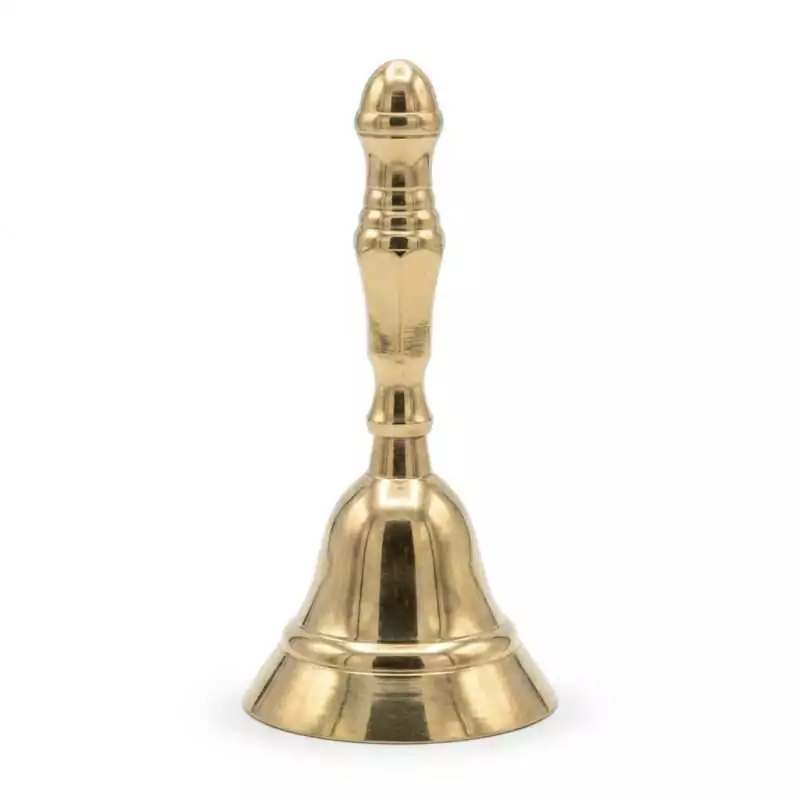
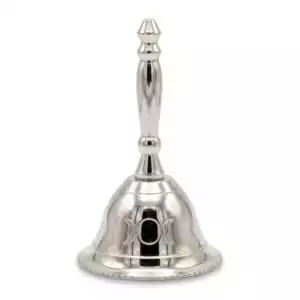
- Material: Solid brass (copper-zinc alloy, unplated)
- Size: 5 inches tall x 2.5 inches diameter
- Best for: Altar ritual, space clearing, Wiccan ceremony, Buddhist practice, ceremonial magic
- Finish: Polished, unadorned
Solid Brass Ritual Bell: Acoustic Quality and Altar Use
A solid brass ritual bell produces a tone that a silver-plated or thin-cast bell cannot match. Solid brass, an alloy of copper and zinc, has the mass and density to sustain a ring for several seconds after each strike. That sustain is the point: the vibration continues to move through a space long after the initial sound fades, and practitioners across traditions use that lingering resonance to mark transitions in a rite, signal the opening or closing of a circle, or shift the atmosphere of a room before working. The 5-inch height makes this the largest bell in my ritual bell selection, and the unplated surface means the acoustic character will deepen and mellow with age rather than wear away.
In Wiccan practice, the bell is typically placed on the left side of the altar and associated with the element of Air or the Goddess, depending on tradition. It is rung to call the quarters, invoke deity, seal a cast circle, or dissolve one cleanly at the close of a rite. In ceremonial magic, following the Golden Dawn and later Thelemic traditions, the bell serves as a sonic marker between the stages of a ritual, keeping the mind anchored to the structure of the working rather than drifting. The sound is not decorative: it functions as a boundary, a command to the unconscious to shift states.
Large Ritual Bell Altar: Cross-Tradition Significance
Buddhist temple bells operate on similar principles. The ghanta used in Tibetan Buddhist ritual is rung alongside the vajra (a ritual thunderbolt scepter) to represent the union of wisdom and skillful method. In Hinduism, the ghanta is rung during puja to announce the presence of the divine and drive away distraction. The sound of brass specifically, as distinct from bronze or iron, is considered auspicious in many South Asian traditions, and the metal’s association with projection and clarity runs across these lineages. This is a working bell that speaks the same ritual language regardless of which tradition is using it.
For practitioners who cannot or prefer not to use smoke for space clearing, sound is a practical and effective alternative. A single clear ring in each corner of a room, followed by one sustained ring at the center, is a common formula for sonic clearing. The 5-inch size produces enough volume and sustain to do this work in a larger space without straining. Pair it with a firm but relaxed strike from a fingernail or soft mallet, and let the silence between rings be as intentional as the sound itself. Browse my altar supplies for complementary tools.
How to Use a Solid Brass Ritual Bell
Use this solid brass bell to open, punctuate, and close ritual work across traditions.
- Open the Ritual Space
Hold the bell at chest height and strike it with one fingernail, letting the tone decay fully before moving on. Ring it once at each quarter direction to mark your working space and signal the start of the rite.
- Mark Transitions Within the Rite
Ring the bell once between major sections of a structured ritual: after invocation, before the working, and again as the working closes. This sonic cue anchors the mind and keeps the rite from blurring.
- Close and Seal
At the close of your working, ring the bell three times, letting each tone decay before the next. This seals the rite and signals a return to ordinary awareness. Let the final tone fade before leaving.
The Tarot Fellow Standard
I stock solid brass specifically because plated bells lose their tone character as the plating wears, and the acoustic difference matters in practice. This bell is unadorned for the same reason a plain ritual knife is often preferable to an ornate one: the function is in the material and the form, not the decoration. At 5 inches it is the largest ritual bell I carry, and the sustain it produces in a room is noticeably fuller than the smaller 4-inch cast brass bells in my selection. If you are building a complete altar kit, browse my sound and vibrational healing collection for singing bowls, chimes, and other instruments that complement bell work.
Frequently Asked Questions
A solid brass ritual bell is used to open and close sacred space, mark transitions within a ceremony, and clear stagnant energy from a room using sustained sound vibration rather than smoke or other cleansing methods.
Solid brass has greater density, which produces a longer sustain and richer tone than thin-cast or plated bells. Plating also wears over time, changing the acoustic quality, while solid brass deepens and mellows with age.
Ring the bell once in each corner of the room, moving clockwise, allowing each tone to fully decay before moving to the next. Finish with one sustained ring at the center of the room to complete the clearing.
A 4 to 6 inch bell suits most altar work and produces enough volume and sustain for indoor ritual. Larger bells carry more mass and produce fuller tone; this 5-inch solid brass bell is well-sized for group or solo practice.





3 reviews for Solid Brass Ritual Bell 5 Inch — Altar Ceremony Bell for Wiccan Practice