


Quick Specs
- Author: Michael Furie
- Publisher: Llewellyn Worldwide
- Format: Trade paperback, 272 pages
- Best for: Kitchen witches, potion crafters, Wiccans seeking practical brew-making recipes
What This Book Actually Covers: Brews, Infusions, and Magical Elixirs
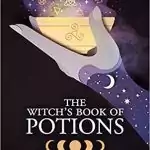
Michael Furie’s “Witch’s Book of Potions,” published by Llewellyn Worldwide in February 2021, is a practical recipe-and-craft book built around the intersection of culinary technique and magical intent. Furie, a practicing witch of more than twenty years and a priest of the Cailleach, draws a clear distinction that most witchcraft books skip: a potion is an edible, water-based liquid designed to be consumed with magical intent, while a brew is a non-edible liquid used for anointing, asperging, or charging objects. That definitional clarity makes this book more useful than typical compendiums that fold oils, incense, and powders under the same broad heading.
The book is organized into three parts. Part one covers background on cauldrons and the theory of how liquid-based magic works, including how ingredients are chosen for correspondence and how intention is charged into the final mixture. Part two delivers eight chapters of recipes organized by purpose: astrological and planetary brews, cleansing and banishing, healing elixirs, love and money potions, protection brews, psychic and divination infusions, sabbat and esbat recipes, and elemental formulas. Part three extends into oils, ointments, and a recipe for a green fairy potion for ritual preparation. Appendixes cover color correspondences and a table of more than a hundred ingredients.
How Furie’s Approach Differs from Cunningham and Other Herb Books
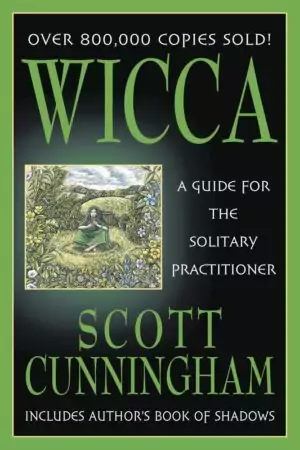
Scott Cunningham’s classic works focus on correspondences and elemental theory across incense, oils, and herb magic as separate categories. Furie’s “Witch’s Book of Potions” is narrower in scope but deeper in craft: it’s specifically about making physical liquids with magical intent, and more than 90 of its recipes call for ingredients available at an ordinary grocery store rather than specialty suppliers. Cunningham’s “Earth Power” and “Earth, Air, Fire and Water” provide the theoretical scaffolding; Furie provides the kitchen-ready application. If you’ve studied the theory and want a hands-on formulary for liquid workings, this book fills that gap in a way Cunningham’s broader surveys don’t.
Furie is also distinct from authors like Blackthorn (botanical focus, plant intelligence framework) and Grimassi (traditional Italian Strega reconstruction). Furie’s voice is accessible modern Wicca with a kitchen-witch sensibility: approachable, ingredient-flexible, and focused on making potion work fit into a real contemporary practice. Browse my spellcraft and witchcraft books collection for similar titles.
How to Use The Witch’s Book of Potions
Get the most from Michael Furie’s potion-making system in three stages.
- Start with Part One: Learn the Framework
Read background chapters before jumping to recipes. Furie covers potion versus brew definitions, how to charge ingredients with intention, and infusion basics. Understanding this framework prevents skipping steps that affect how the recipes work.
- Select Recipes by Intent and Season
Part two organizes recipes by magical purpose and sabbat timing. Go to the matching chapter and read Furie’s notes on substitutions before shopping. Most recipes use grocery-store herbs; he flags harder items and offers reasonable alternatives.
- Build from Potions into Oils and Ointments
Part three expands beyond water-based workings into oils and ointments using the same correspondence logic. Once comfortable with the infusion method from part two, part three naturally extends the practice into anointing oils and ointments.
The Tarot Fellow Standard
I chose this book for the shelf because potion-making is one of the most underrepresented practical skills in modern witchcraft publishing. Most craft books mention brews in passing, if at all, while building entire chapters around incense or candles. Furie gives the subject the full treatment it deserves: structured methodology, real recipes, clear ingredient logic, and an accessible modern voice that doesn’t require sourcing obscure materials. For practitioners building out a working library that covers herb magic and plant-based practice, explore my herb and plant magic books collection.
Frequently Asked Questions
A practical recipe book by Michael Furie covering magical brews, infusions, and elixirs for modern witchcraft. It includes 90+ recipes for healing, protection, love, prosperity, and sabbat celebrations, using mostly grocery-store ingredients.
Furie defines a potion as edible, water-based liquid meant to be ingested with magical intent, and a brew as non-edible liquid for anointing or charging objects. This distinction shapes the recipe structure and is explained in the opening chapters.
Yes, with a caveat. Recipes are accessible and ingredients are mostly grocery-store items. However, exposure to magical correspondence basics helps. A short introductory Wicca text first makes Furie’s ingredient logic much clearer to follow.
Cunningham covers correspondences broadly across incense, oils, and herbs. Furie focuses on water-based liquid workings, going deeper in one lane. They work well together: Cunningham provides theory, Furie delivers kitchen-ready potion recipes.

Reviews
There are no reviews yet