
Quick Specs
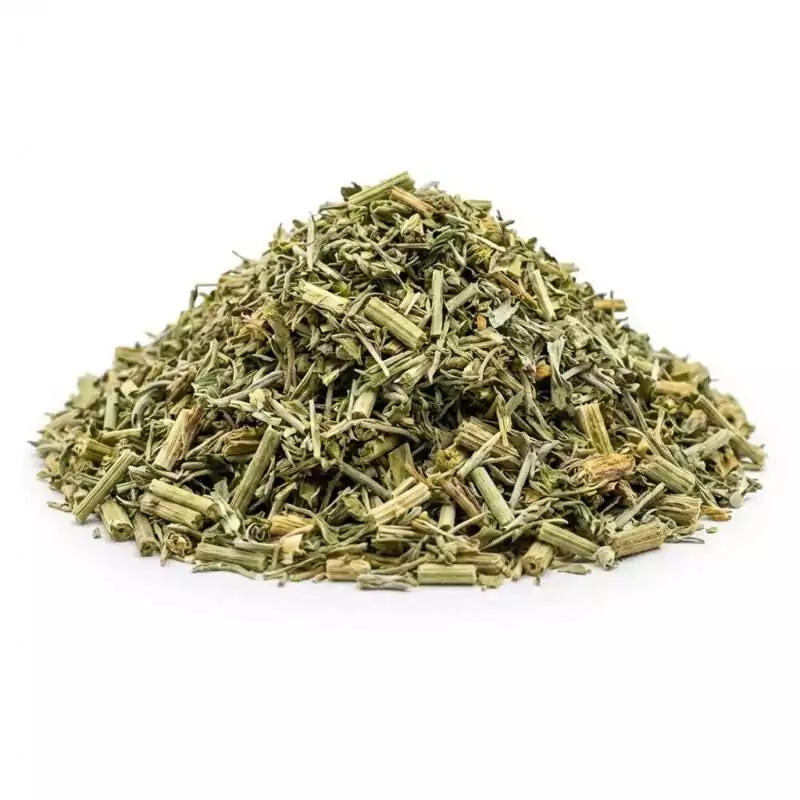
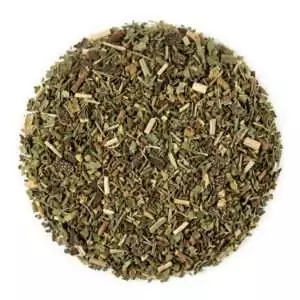
- Type: Dried cut herb
- Size/Quantity: 1 pound
- Best for: Divination support, psychic work, dream pillows, protection sachets, incense blends
- Sourcing: SQF & Kosher certified supplier
I source this herb from a supplier that’s both SQF, Safe Quality Food, certified and Kosher certified, meeting real, audited quality standards rather than just a label. What’s in this packet is sourced from that supplier, but wormwood contains thujone, which is toxic in large doses, so it is not a kitchen or tea herb and should not be taken internally.
Artemisia absinthium: The Herb of Saturn and Boundaries
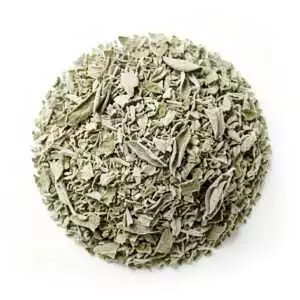
Wormwood (Artemisia absinthium) is a perennial herb native to Europe, Central Asia, and northern Africa, known for its silver-grey foliage, intensely bitter taste, and volatile oil content dominated by thujone. The genus name Artemisia derives from the Greek goddess Artemis, patron of boundaries, thresholds, hunting, and the moon, and the plant’s long association with that deity reflects its traditional use as a boundary herb: something that marks the edge between the living world and the realm of spirits, between waking consciousness and the deeper states accessed in divination and dream work. In alchemical medicine it was assigned to Saturn, the planet of endings, discipline, and purification, giving it a reputation as a herb that confronts and strips away what is false or corrupting.
The plant is also the primary botanical source of the thujone in absinthe, the distilled spirit that gained notoriety in 19th-century Europe as the drink of artists, poets, and mystics. Its association with altered consciousness and creative vision reflects wormwood’s genuine reputation across multiple traditions as an herb that loosens ordinary perceptual constraints and opens channels for deeper perception. In folk tradition the plant is associated with driving out whatever invades without consent, whether physical or psychic.
Divination, Dream Work, and Practical Applications
Among its most consistent magical associations, wormwood is used to enhance psychic receptivity, sharpen divination sessions, and support lucid dreaming and astral work. Practitioners burn it as incense before tarot readings, scrying sessions, or any form of divination to open the third eye and quiet mental chatter. When combined with mugwort (Artemisia vulgaris), its close botanical relative, wormwood becomes particularly potent in dream work: the two herbs share the Artemisia genus and a tradition of use in pillows and sachets intended to produce vivid, meaningful dreams and support lucid awareness. Slavic folk tradition held that carrying wormwood repelled rusalki, malicious water spirits, and that hanging it at the threshold kept the restless dead from returning after midsummer.
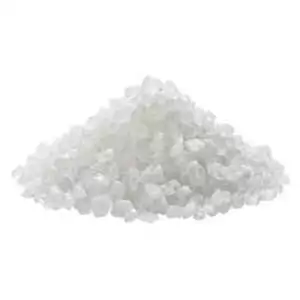
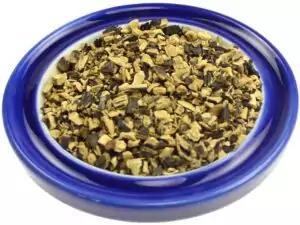
This 1-pound bulk quantity gives you adequate material for extended ritual use: making multiple sachets, building an incense blend, or stocking a working herb cabinet for the long term. The cut format is versatile and ready to use directly in most applications. For incense blending, combine wormwood with sandalwood, frankincense, or mugwort for a psychic-opening blend. For protection work, layer it with black salt and angelica root in sachets placed at doors and windows. Wormwood is also used in hoodoo protection. Browse my full herb collection to find the complementary botanicals for blending alongside wormwood. Wormwood contains thujone; do not ingest, and burn only in well-ventilated spaces.
How to Use Wormwood Cut Herb
Practical methods for using dried wormwood in divination, dream work, and protection practice.
- As Incense for Divination
Place a small pinch of dried wormwood on a self-igniting charcoal disc in a heat-safe vessel. Allow the smoke to fill the space before divination or scrying. Burn in a well-ventilated area only. The sharp, bitter-herbal aroma is potent; start small.
- In a Dream or Psychic Sachet
Combine a tablespoon of wormwood with mugwort and lavender in a cloth pouch. Place under the pillow to support dream recall and vivid dreaming. Refresh the sachet every few weeks as volatile oils dissipate from the dried plant material over time.
- In a Protection Blend
Mix wormwood with angelica root and black salt for a protection blend. Use it to fill sachets at entry points, dress a black candle for banishing work, or add to a protective floor wash. Store sealed in a glass jar away from heat and direct light.
The Tarot Fellow Standard
I stock wormwood by the pound because practitioners who work seriously with divination and psychic development go through it. A 1-pound supply means you are not rationing pinches from a small packet; you can work freely, blend it into formulas, and experiment with pairings without running out quickly. The cut format is clean and ready to use without further processing. Wormwood is not a casual herb, but in the hands of a practitioner who understands its tradition and safety profile, it is one of the most rewarding psychic herbs in the Western canon. For books on herbal magic and psychic development to accompany your practice, see my plant magic and herb books collection.
Frequently Asked Questions
Wormwood is used for psychic enhancement, divination support, dream work, and protection. Practitioners burn it before tarot or scrying sessions, pack it into dream pillows with mugwort, and use it in protection sachets placed at doors and windows.
Wormwood can be burned as incense in well-ventilated spaces using small amounts on charcoal. Do not ingest it and avoid extended smoke exposure. It contains thujone, which is toxic in large doses. Use in moderation with proper ventilation always.
Both are Artemisia species. Wormwood (Artemisia absinthium) is more bitter, higher in thujone, and associated with Saturnine purification and psychic boundary work. Mugwort is milder and lunar. They complement each other well in dream work blends.
Store cut wormwood in a sealed glass jar away from light, heat, and humidity. Dried herbs maintain volatile oil potency for one to two years when stored properly. Plastic bags allow moisture exchange over time. Label the jar with your purchase date.
Reviews
There are no reviews yet