

Quick Specs
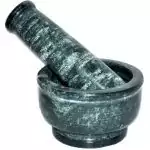
- Type: Mortar and pestle set
- Size/Quantity: 4 inches diameter, single set
- Best for: Grinding herbs, blending loose incense, crushing resins, ritual preparation
Green Marble as a Material Choice for Ritual Work
The mortar and pestle is one of the oldest tools in continuous human use, with examples found in archaeological sites dating back more than 35,000 years. In a ritual context, it functions as a tool of transformation: raw plant material enters and is broken down, releasing volatile oils and creating the blended forms needed for incense, sachets, and herbal preparations. The material of the mortar matters more than many practitioners realize. Green marble is dense and relatively non-porous, which means it does not absorb resins and oils the way softer stones or wood can, making it easier to clean between different formulas.
Green as a color carries strong associations in Western folk magic with Venus, healing, growth, and money-drawing work. Using a green marble mortar for Venus-aligned preparations, love herbs, or abundance blends is a small but coherent piece of color correspondence that some practitioners find meaningful. Whether or not you work with color symbolism, the material performs well for the tasks a practitioner needs most: grinding dried roots and botanicals, crushing resin chunks before adding them to a burner, and blending loose granular incense bases.
Comparing Mortar Materials for Herbal and Incense Work
Marble is a mid-hardness stone that handles most grinding tasks well. It is harder than soapstone, which can develop scratches and retain pigments from colored resins, and less porous than wood, which absorbs oils and scents permanently. Cast iron is the most durable option but adds weight and can react with acidic materials. For most practitioners doing small-batch herb preparation, a 4-inch marble mortar handles single-session quantities without excess bowl space that wastes material. Browse my mortar and pestle collection for additional size and material options.
The smooth interior of polished marble is suited to fine grinding of dried botanicals. For sticky resins like benzoin, dragon’s blood, or frankincense, chill the resin briefly before grinding and work quickly before it warms and becomes tacky again. A brief soak in isopropyl alcohol dissolves most resin residue from marble without damage. Keep dedicated mortars for different work categories if you blend both culinary and ritual herbs, or if you grind materials you would not want to cross-contaminate.
How to Use Green Marble Mortar and Pestle
How to use a marble mortar and pestle for grinding herbs, resins, and loose incense blends.
- Prepare Your Materials
Measure out dried herbs or resin chunks into the mortar. For resins, chill briefly to reduce stickiness. For mixed blends, add the hardest material first and grind partially before adding softer leaves or petals that need less processing.
- Grind with Circular Motion
Use the pestle in a circular grinding motion against the mortar wall, applying steady downward pressure as you rotate. For coarse blends, a few passes suffice; for fine powder, continue until the material reaches the texture your preparation needs.
- Clean Between Uses
Rinse with warm water and a small amount of dish soap after use. For resin residue, a brief soak in isopropyl alcohol dissolves most buildup without damaging marble. Dry thoroughly before storage to prevent moisture from dulling the stone surface.
The Tarot Fellow Standard
I keep this mortar in stock because the 4-inch size is the practical workhorse for solo practitioners. It is large enough to handle a full single-session batch of herbs without overflow and small enough to store without taking up significant altar space. The green marble is dense, stable, and easy to clean between formulas. If you are building out your herb preparation supplies, my herbs and accessories collection has loose herbs, resins, and the accessories that pair with this mortar.
Frequently Asked Questions
Marble is a practical choice for ritual herb work. It is denser and less porous than soapstone or wood, which means it does not absorb scents and oils as readily, making it easier to clean between herb blends and formulas across different workings.
Yes. Chill resin briefly to reduce stickiness, then work quickly before it warms. Isopropyl alcohol removes resin residue from marble without damage. A dedicated mortar for resins is advisable if you blend often with sticky botanical materials.
A 4-inch mortar handles single-session quantities well for solo practitioners. Larger sizes suit bulk or group work. Smaller ones handle tiny precious amounts. The 4-inch size balances capacity with compact storage for an altar or small workspace.
Rinse with warm water and a small amount of dish soap after each use. For sticky resin buildup, a short isopropyl alcohol soak dissolves residue without harming marble. Dry fully before storing to prevent moisture damage to the stone surface.
Reviews
There are no reviews yet