
Quick Specs
- Type: Fixed-blade boline / pruning athame
- Blade length: 7.5 inches total
- Blade color: Blue-toned
- Handle: Black, textured grip
- Includes: Sheath with carrying cord
- Weight: 0.4 lb
The Boline: Witchcraft’s Working Blade
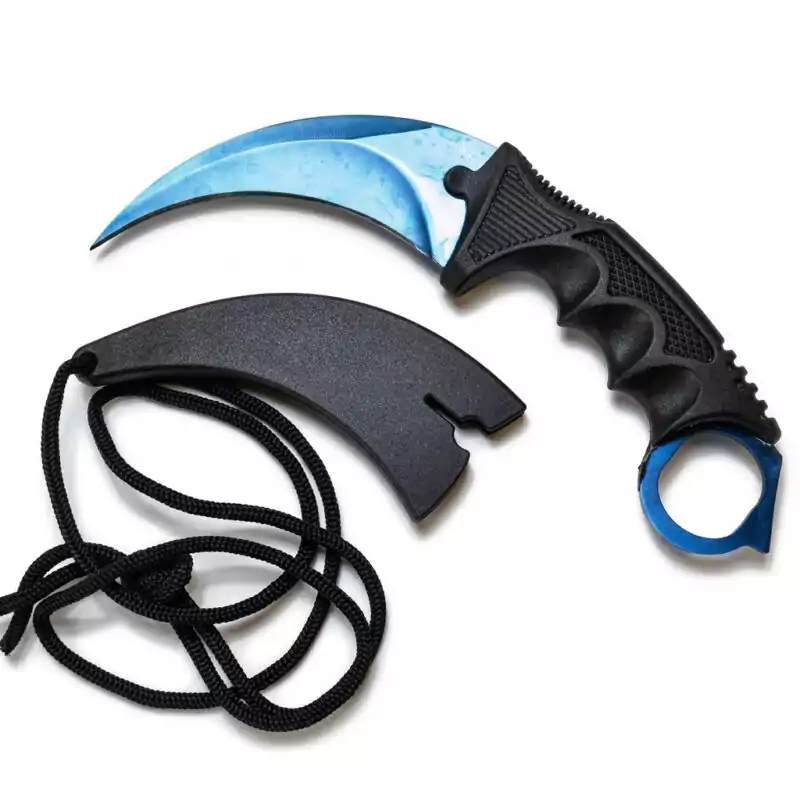
In the Wiccan and broader witchcraft toolkit, the boline is the practical counterpart to the athame. Where the athame (the double-edged dagger) is a projective blade used for directing energy, casting circles, invoking quarters, channeling will, the boline is the cutting tool. It harvests herbs from the garden. It trims cords for knot magic. It cuts wax, strips bark, scores roots, and does the physical work that keeps a living plant-based practice functioning. The traditional boline is described as having a white handle and a curved blade; in modern practice the term applies broadly to any dedicated ritual cutting blade. This 7.5″ pruning blade with its curved profile and black handle is exactly that kind of working boline, a real pruning tool of good construction, repurposed or dedicated by the practitioner to ritual cutting work.
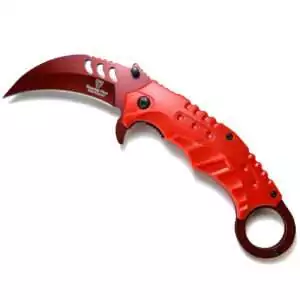
Be clear-eyed about what this blade is: it is a pruning knife designed for horticultural use, built to cut woody stems and harvest plant matter. The fixed blade format means there is no folding joint to maintain, and the blue-toned blade is paired with a textured black handle that provides a secure grip even with damp hands from garden work. The included sheath and cord allow the blade to be carried safely to an outdoor ritual site, hung from a belt, or secured in a ritual bag. It is not a consecrated initiation athame, and it carries no pre-existing ritual charge: that is the practitioner’s work, not the vendor’s. Many practitioners prefer this honesty: a tool that is what it is, ready to be made sacred through use and intention rather than through marketing language. For a compact-carry option, the 7½″ folding pruning boline is the premium folding version for practitioners who need a blade that folds for travel.
Practical Ritual Applications
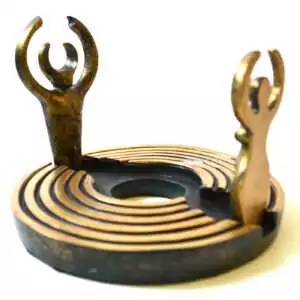
The most obvious application for a fixed boline is herb harvesting at an outdoor altar or in a dedicated ritual garden, cutting fresh rosemary, mugwort, yarrow, or other sacred plants at the correct lunar phase to preserve their potency for ritual use. The curved blade is well suited for this: it hooks around stems cleanly without tearing. In spellwork the boline cuts cords for binding and releasing magic, trims candle wicks to the right height, and scores wax to carve sigils or names into candle bodies. In kitchen-altar practice it chops dried herbs, bark, and roots for blending in a mortar, see the 4″ granite mortar and pestle for the grinding counterpart to this cutting blade. The sheath allows the blade to hang from an altar peg or sit in a ritual bag safely between uses. Dedicate it to ritual cutting work alone and the blade will develop the intentional charge that comes from consistent, purposeful use over time.
How to Work With a Boline in Ritual Cutting Practice
Three practical approaches to working the pruning boline into herb-based and cord-based ritual.
- Dedicate the Blade Before First Use
Before cutting anything in ritual context, cleanse the blade and set a deliberate intention for it. A simple approach: wipe the blade with a cloth dampened in salt water, dry thoroughly, and hold it over incense smoke while stating its purpose aloud, ‘This blade serves only ritual cutting. It harvests with respect and severs with intention.’ This dedication does not make it supernatural; it makes it yours, set apart from ordinary tools.
- Harvest Herbs at the Right Moment
For herb harvesting, time your cutting to the lunar cycle: herbs harvested during the waxing or full moon are generally considered most potent for growth and attraction workings; those cut during the waning moon carry releasing and banishing energy. Use the curved blade with a smooth single draw across the stem rather than a sawing motion, a clean cut is better for the plant and cleaner energetically. Thank the plant before cutting if that is part of your practice.
- Use for Cord and Wax Work
In cord magic the boline severs bound cords at the moment of releasing a working, or cuts cord to measured lengths for binding rituals. Keep the blade well away from candle flames when cutting wax, score candles cold, with the blade angled away from the body. After ritual use, wipe the blade clean of any plant or wax residue, apply a thin protective oil coat to prevent rust, and return it to its sheath. Store separately from mundane knives to maintain its ritual designation.
The Tarot Fellow Standard
I carry this fixed pruning boline because it is a genuinely useful working blade and the framing is honest: it is a pruning knife that practitioners dedicate to ritual cutting. It does the herb-harvesting and cord-cutting work that a real boline tradition describes, and it does it well. If you want a compact carry option, the 7½″ folding pruning boline gives you the same working-blade quality in a folding format. Browse the altar supplies collection for the full range of ritual tools.
Frequently Asked Questions
Yes. This is a pruning blade built for horticultural use, cutting woody stems, harvesting herbs, and trimming branches. It arrives with a functional edge appropriate for garden cutting work. It is not a fine culinary knife and does not have the thin, polished edge of a chef’s blade, but for ritual herb harvesting, cord cutting, and wax scoring it is well suited. Keep the edge lightly oiled to prevent rust and the blade will maintain its function through repeated use.
In most Wiccan and Western witchcraft traditions, the athame is a double-edged projective blade used for energy direction, casting circles, invoking, channeling will. It rarely makes physical contact with matter. The boline is the working cutting blade: it harvests plants, cuts cords, carves wax, and does all the physical cutting tasks a ritual practice requires. This pruning blade functions as a boline, it is a practical working tool.
This blade carries no pre-existing ritual charge, it is a pruning tool. Any consecration or dedication is entirely in the hands of the practitioner. Common approaches include cleansing in salt water or smoke, anointing with a relevant oil, and stating the blade’s ritual purpose aloud. The blade does not require formal consecration to be used for herb harvesting and cord cutting, consistent dedicated use builds its association over time regardless of formal ceremony.


Reviews
There are no reviews yet