


Quick Specs
- Brand: Madre Tierra
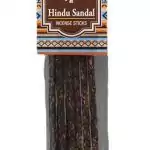
- Type: Hand-rolled natural sandalwood stick incense
- Size/Quantity: 8 sticks per pack
- Best for: Hindu puja, Shiva devotion, Vedic ritual purification, deep meditation, temple-style altar work
Santalum Album: Sacred Wood of the Indian Subcontinent
True sandalwood, Santalum album, is native to the Deccan Plateau and coastal Mysore region of southern India, where it has been harvested and traded for over three thousand years. The Sanskrit name chandana gave rise to the Hindi chandan, and its fragrance is woven into the oldest layers of Hindu sacred literature. Unlike New Caledonian or Australian sandalwood varieties grown commercially for perfume, Santalum album from Karnataka and Tamil Nadu carries a distinctly warm, milky, woody base note that has shaped the incense traditions of South Asian temples, royal courts, and domestic shrines across the subcontinent. The tree itself takes decades to reach heartwood maturity, which is where the fragrant oils concentrate; this rarity is why genuine sandalwood commands respect in the markets that know it.
In Hinduism, sandalwood is not merely pleasant. It is a substance imbued with ritual status. The Vedic tradition classifies it as sattvic, meaning it promotes clarity, purity, and spiritual elevation rather than excitement or torpor. Sandalwood paste, known as gandha or chandan, is applied to the forehead, chest, and other devotional points during puja; its cooling physical properties map onto its metaphysical role as a substance that calms the lower energies and opens perception to the divine. The Goddess Lakshmi is said to reside in sandalwood, a concept that makes sandalwood offerings particularly significant in Lakshmi puja and Diwali worship. Browse my full Madre Tierra incense collection for related hand-rolled scents.
Shiva Devotion, Shivaratri, and the Agarbatti Tradition
Among the Hindu deities, Shiva has a particularly close relationship with sandalwood. Shivaratri observance involves applying sandalwood paste to the Shiva Linga as an act of purification and devotion, and burning sandalwood agarbatti, the Sanskrit and Hindi term for incense sticks, during meditation and chanting is considered an amplifier of the devotee’s connection to Shiva as Adiyogi, the first yogi and patron of meditation. The act of burning incense before worship is itself a symbolic teaching: the incense stick is consumed, surrendering itself to produce fragrance and smoke, a model for the devotee’s own offering of self. This parallel between the burning stick and the path of devotion is explicit in South Asian incense culture in a way that Western aromatherapy approaches to sandalwood often miss entirely.
For practitioners outside the Hindu tradition who incorporate sandalwood for its purification properties, the cultural context remains worth understanding: this is one of the most rigorously sacred scents in living use anywhere in the world, with an unbroken ritual tradition spanning millennia. Burning it with awareness of that history, even if one’s own practice differs, adds a layer of intentionality that generic fragrance-forward framing cannot offer.
How to Use Madre Tierra Hindu Sandal Incense Sticks
How to use Madre Tierra Hindu Sandal incense sticks for Vedic puja, Shiva devotion, and deep meditation practice.
- Prepare Your Puja or Altar Space
Before lighting, ensure your altar space is clean and ordered. In Vedic tradition, the space is prepared before the deity is invited in. Sandalwood purifies as it burns, but physical tidiness first reflects the sattvic intent of the practice.
- Light the Stick and Offer the Smoke
Light the tip until it catches, then gently blow out the flame so only the coal remains. Hold the stick briefly toward your altar object or deity image before placing it in the holder. This first smoke is the formal beginning of the puja offering.
- Burn During Prayer, Chanting, or Deep Meditation
Sandalwood suits longer, quieter sessions rather than quick space clearings. Its warm base note supports sustained focus without stimulating the mind. Allow the full stick to burn through a seated meditation or prayer session without interruption.
The Tarot Fellow Standard
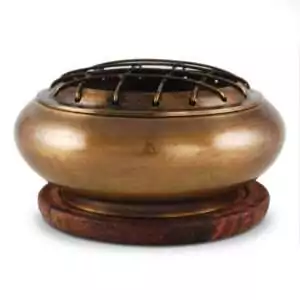
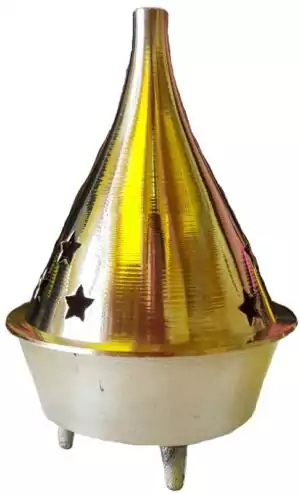
I carry Madre Tierra’s Hindu Sandal because the hand-rolled production method and visible botanical content put it in a different category from mass-production sandalwood sticks that use synthetic fragrance oil on a bamboo core. When I’m recommending a sandalwood incense to someone doing Shiva devotion or Vedic puja, I want to offer something made with real botanical material in the formula, not a chemical approximation of the scent. The cultural context this product represents is one I take seriously, and Madre Tierra’s approach to hand-rolling with actual resins and botanicals visible in each stick reflects that. For incense burners and holders suited to regular puja practice, browse my full incense and burners collection.
Frequently Asked Questions
Sandalwood incense is a central offering in Hindu puja, used to purify the worship space and express devotion. It is significant in Shiva puja and Shivaratri, in Lakshmi worship during Diwali, and in any puja where sattvic fragrance is appropriate.
Madre Tierra Hindu Sandal uses natural sandalwood in hand-rolled sticks with visible botanical grains. The formulation is botanical rather than synthetic fragrance oil. Santalum album from Karnataka is the Vedic standard for sacred temple incense.
In Shiva puja, sandalwood paste is applied to the Shiva Linga as purification. Burning sandalwood agarbatti during Om Namah Shivaya chanting amplifies devotion to Shiva as Adiyogi, the first yogi and patron of meditation in the Hindu tradition.
Each pack contains 8 hand-rolled sandalwood incense sticks. The warm fragrance suits extended meditation and prayer rather than quick clearings. It is a meaningful supply for regular puja practice, and sleeve packaging prevents breakage in transit.
Never had this before and loving the smell less mess and easy light