

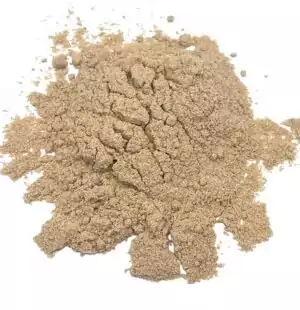
Quick Specs
- Botanical name: Viburnum opulus
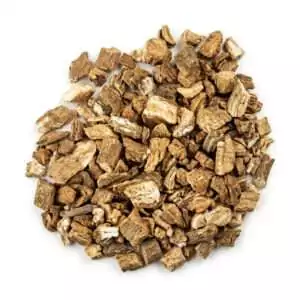
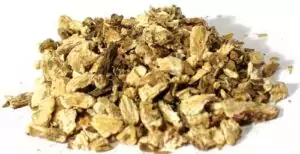
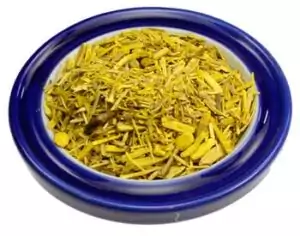
- Type: Dried cut bark, wild-crafted
- Size/Quantity: 2 oz
- Best for: Regular monthly herbal preparations, ongoing tincture supply, or blending into antispasmodic formulas
- Sourcing: SQF & Kosher certified supplier
I source this herb from a supplier that’s both SQF, Safe Quality Food, certified and Kosher certified, meeting real, audited quality standards rather than just a label. What’s in this packet is suitable for your kitchen, a cup of tea, your altar, and your spell jar.
Viburnum opulus Bark: Antispasmodic Herb for Ongoing Use
Cramp bark, Viburnum opulus, is a deciduous shrub native to Europe, northern Asia, and parts of North America, where it grows along stream banks and woodland edges. The inner bark, harvested in early spring from wild plants, is the part used medicinally. Wild-crafted collection preserves genetic diversity and is preferred by herbalists who work closely with plant traditions, as cultivated populations can differ in the density of active compounds such as scopoletin, aesculetin, and viburnin.
The 2 oz size suits practitioners who use cramp bark as a regular part of their herbal kit rather than as a one-time experiment. It is enough for several rounds of decoction, a modestly sized tincture plus residual material for sachets, or a blended menstrual support formula combined with herbs like dong quai or raspberry leaf. For anyone who prepares herbs monthly alongside the menstrual cycle, this quantity keeps a practical working stock without excess.
Traditional Uses Across Herbal and Folk Magic Traditions
Herbalists across North American and European traditions have reached for cramp bark for menstrual dysmenorrhea, uterine cramping, lower back spasm, and gastrointestinal cramping associated with irritable bowel conditions. The Eclectic physicians of the 19th century, including Harvey Wickes Felter, documented its use extensively, noting its specific action on the uterus for both excessive cramping and threatened miscarriage, always under qualified supervision. Russian and Ukrainian folk medicine also has a long tradition of using Viburnum opulus, where the plant is called kalina and appears in herbal preparations and cultural rituals.
In folk magic, cramp bark is associated with binding and spell empowerment, drawing on the bark’s contracting, holding quality as a symbolic force. Practitioners incorporate it into sachets and bottle spells where the intention is to hold a situation in place or prevent something from moving forward. It pairs in this context with knotted cord, iron filings, and other binding materia.
How to Use Cramp Bark
Practical methods for using wild-crafted cramp bark in herbal preparations and folk magic workings.
- Brew a Monthly Decoction
Simmer 2 teaspoons of cut cramp bark per cup of water for 20 minutes over low heat, then strain and drink warm. The 2 oz packet supports multiple brewing sessions, making it practical for a monthly preparation schedule.
- Build a Blended Tincture
Combine cut cramp bark with dried herbs such as raspberry leaf or valerian in a jar, cover with 80-proof spirits, and macerate for 4 to 6 weeks. The 2 oz supply provides enough for a compound formula rather than a single-herb extract.
- Incorporate Into a Binding Sachet
For binding workings, place a pinch of cramp bark in a cloth sachet with knotted black cord and other binding herbs. Seal the sachet by tying. Store the remaining bark in an airtight container away from heat and moisture.
The Tarot Fellow Standard
I carry wild-crafted cramp bark because the source matters to anyone using herbs seriously. The 2 oz size is the right fit for a practitioner who prepares herbal remedies on a regular cycle and wants a working stock that lasts more than one or two sessions. It stores well sealed away from light and moisture. If you work with a wide range of plant allies, browse my complete herbs collection for complementary botanicals.
Frequently Asked Questions
At 1 to 2 teaspoons per decoction session, 2 oz of cut cramp bark provides roughly 6 to 12 brewing sessions. For monthly menstrual support use, that is a several-month supply, making this size well-suited for ongoing practice.
Both are Viburnum species with antispasmodic properties. Cramp bark is Viburnum opulus; black haw is Viburnum prunifolium. Cramp bark is more specific to skeletal and uterine spasm, while black haw is often used as a reproductive tonic.
Yes. Cramp bark combines well with valerian, black cohosh, and raspberry leaf in blended antispasmodic formulas. The 2 oz supply gives you enough material to be one component in a compound tincture alongside other herbs in one jar.
Store cut cramp bark in a sealed glass or metal container away from heat, light, and moisture. Properly stored dried bark holds its active constituents for 1 to 2 years. Avoid open plastic bags, as moisture infiltration degrades the herb.
Reviews
There are no reviews yet