
Quick Specs
- Botanical Name: Artemisia vulgaris
- Common Name: Mugwort, common wormwood, sailor’s tobacco, moxa herb
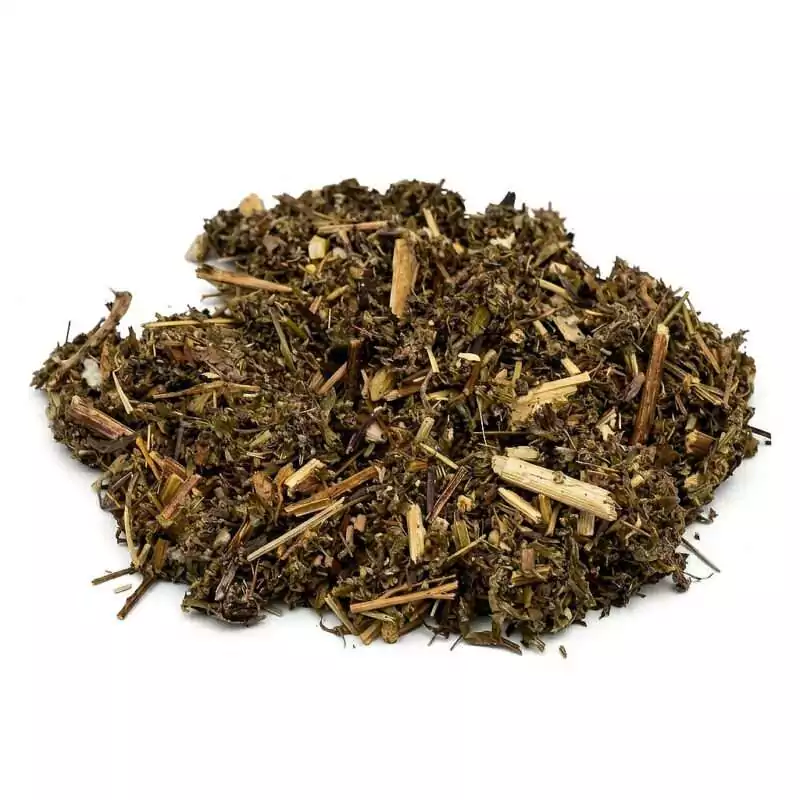
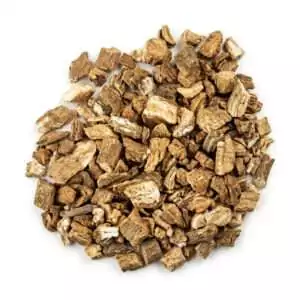
- Form: Cut dried herb
- Size/Quantity: 2 oz
- Best for: Dreamwork, divination, psychic development, astral travel, moon rituals
- Sourcing: SQF & Kosher certified supplier
I source this herb from a supplier that’s both SQF, Safe Quality Food, certified and Kosher certified, meeting real, audited quality standards rather than just a label. What’s in this packet is suitable for your kitchen, a cup of tea, your altar, and your spell jar.
Mugwort: The Dream Herb and Psychic Opener
Artemisia vulgaris, mugwort, is a psychic and dreamwork herb in European folk magic, and it is distinct from Artemisia absinthium, wormwood, which carries absinthe associations and harsher properties. Both are artemisias, named for the goddess Artemis, but mugwort has a gentler, more lunar quality suited to the inner work of dreams, intuition, and divination. The Anglo-Saxons counted it among the nine sacred herbs in the Lacnunga, a tenth-century manuscript of healing charms. Greek and Roman travelers placed it in their shoes to ward off fatigue and protect against evil on the road.
In modern magical practice, mugwort is the go-to herb for anyone working with dreams, divination, or psychic development. Stuffing a small sachet with dried mugwort and sleeping with it under the pillow or near the bed is one of the most widely reported dream-enhancement practices in Western folk magic, with practitioners reporting more vivid, memorable, and symbolically rich dreaming. Mugwort is also used in hoodoo travel and vision work. Burning a pinch of mugwort before a tarot reading, scrying session, or any divination practice is traditional in multiple systems; its smoke is believed to open the psychic channels and create a liminal atmosphere suited to reading and receiving. Browse my intuition and astral travel herbs for botanicals that pair with mugwort in dreamwork and vision practice.
Practical Use and Cautions
Mugwort has a strong, sage-like, slightly bitter aroma that is recognizable and distinctive. It burns with moderate smoke on a charcoal disc, making it usable as loose incense either alone or blended with frankincense or damiana for divination sessions. The 2 oz cut form provides enough herb for multiple dream pillows, several months of pre-divination incense use, and ritual bath preparations. To make a mugwort bath for psychic cleansing, simmer a generous handful in water for fifteen minutes, strain, and add the cooled liquid to bathwater, keeping eyes and mouth away from direct contact.
If you are pregnant, nursing, or on medication, check with your doctor before using mugwort internally, and limit your exposure to the smoke. For ritual use as incense, dream pillows, and floor washes, it is generally considered appropriate for adults in normal handling quantities. Store the dried herb in a sealed container; it retains its potent aroma well when kept away from heat and moisture.
How to Use Mugwort in Ritual and Dreamwork
Three traditional methods for working with cut mugwort in dream enhancement, divination preparation, and psychic cleansing.
- Make a Mugwort Dream Pillow
Fill a small cloth pouch with two tablespoons of dried mugwort and complementary herbs like lavender. Tuck the pouch inside your pillowcase or near the head of your bed. Many practitioners report more vivid dreams within a few nights.
- Burn as Pre-Divination Incense
Place a small pinch of cut mugwort on a lit charcoal disc before beginning a tarot reading or scrying session. Allow the smoke to rise for a few minutes, setting your intention to receive clearly and interpret your reading accurately.
- Prepare a Psychic Bath Wash
Simmer a handful of cut mugwort in two cups of water for fifteen minutes. Strain and cool the liquid, then add it to a warm bath, keeping the liquid away from your eyes and mouth. This preparation opens intuitive awareness for spirit work.
The Tarot Fellow Standard
I stock Artemisia vulgaris rather than an unlabeled artemisia blend because the species identification matters for effective practice. Mugwort and wormwood have different correspondences, different aromatic profiles, and different traditional applications, and practitioners deserve to know exactly which plant they’re working with. Mugwort is the dream herb, the divination opener, the lunar companion for anyone who takes seriously the work of developing psychic sensitivity and meaningful dreaming. The 2 oz cut format is ideal for regular use across dream pillows, incense blending, and pre-reading ritual. For tarot decks and divination tools that pair with mugwort practice, explore my tarot and divination collection.
Frequently Asked Questions
Mugwort is used for dreamwork, divination, psychic development, and astral travel. Practitioners stuff it into dream pillows, burn it before scrying, and include it in lunar rituals. It’s used across Anglo-Saxon and Greek traditions.
Artemisia vulgaris (mugwort) is milder and lunar, oriented toward dreams and divination. Artemisia absinthium (wormwood) is sharper, absinthe-associated, and used in banishing contexts. They are not interchangeable in practice.
Fill a small cloth pouch with two tablespoons of dried mugwort. Add lavender or rose petals if desired. Place inside your pillowcase or near the bed before sleep. Practitioners report increased dream vividness within the first few nights.
Mugwort is appropriate for adults to use as incense in well-ventilated spaces. If you are pregnant or nursing, check with your doctor before using the smoke. Use a fireproof dish with good airflow.
Reviews
There are no reviews yet