
Quick Specs
- Botanical Name: Mentha pulegium
- Common Name: Pennyroyal, pudding grass, lurk-in-the-ditch
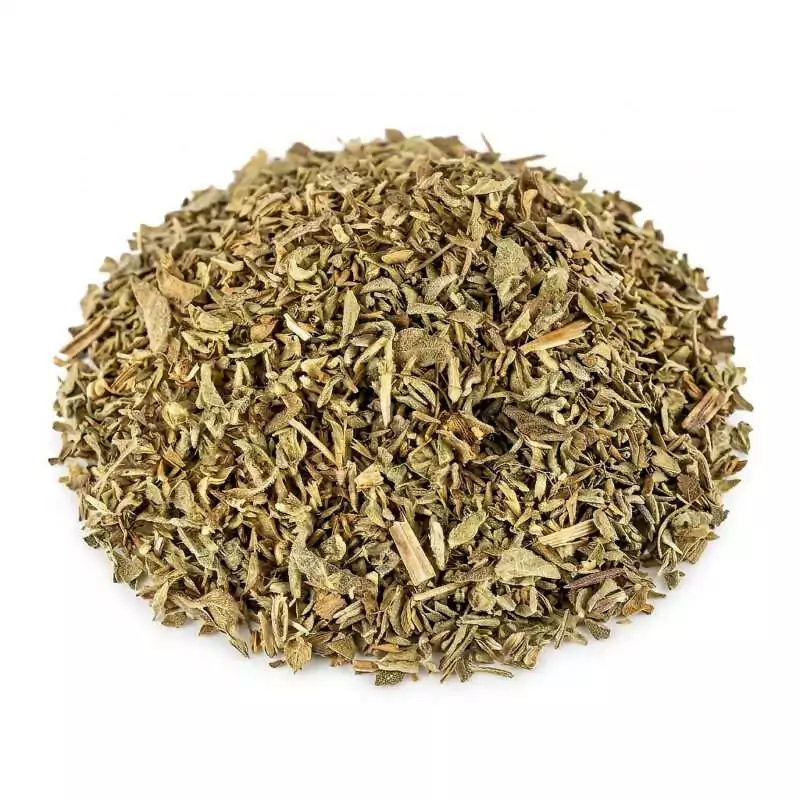
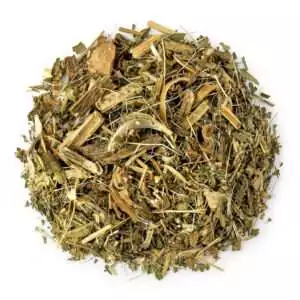
- Form: Cut dried leaf
- Size/Quantity: 2 oz
- Best for: Protection sachets, hex-breaking, purification, travel protection
- Sourcing: SQF & Kosher certified supplier
I source this herb from a supplier that’s both SQF, Safe Quality Food, certified and Kosher certified, meeting real, audited quality standards rather than just a label. What’s in this packet is for your altar, your sachets, and your spell jar. This is not a kitchen or tea herb and should not be taken internally, even though it comes from a certified supplier, because pennyroyal contains pulegone, which can cause serious liver damage.
Pennyroyal in Folk Magic and Protection Work
Pennyroyal (Mentha pulegium) is a low-growing member of the mint family with a sharp, pungent aroma and a long history in both European folk herbalism and magical practice. Its folk names across England and Europe speak to its character: pennyroyal, pudding grass, lurk-in-the-ditch. In magical tradition, it carries strong associations with protection, purification, and hex-breaking, particularly in cases involving the evil eye, ill-will directed at a person, or negative attachment. Greek and Roman soldiers and travelers placed pennyroyal in their shoes and carried it on long journeys to provide spiritual protection on the road.
In European folk magic, pennyroyal appears in protective sachets worn on the body, floor wash preparations for driving out negative energy, and blended incense for exorcism and uncrossing work. It is also used in hoodoo hex-breaking and home protection. Its Mars and fire correspondences align it with aggressive, outward-facing protection rather than the quieter, sealing energy of herbs like angelica root. Practitioners use it in charm bags to guard against the evil eye and to interrupt hexes or crossing conditions already in place. It pairs well with rue, another strong protection herb used in folk protection work. Find complementary herbs for layered protection in my banishing and hex-breaking herb collection.
Safety Information for Pennyroyal Leaf
Pennyroyal has well-documented toxicity concerns. Pennyroyal oil is highly toxic and should never be ingested; it has caused severe liver and kidney damage and death in recorded cases. Pennyroyal leaf, the dried form in this listing, carries lower concentration of the active compound pulegone, but ingesting it as a tea or tincture still carries real risk, and mainstream medical authorities advise against internal use entirely. This product is sold for external ritual use only: sachets, floor washes, charm bags, and incense blends where the herb is not consumed.
Keeping pennyroyal as an external-only herb does not diminish its value in magical practice. The strongest protective uses in folk tradition, sachets, washes, and carried charms, are all external applications that are entirely consistent with safe handling. The sharp mint aroma is noticeable even through cloth sachets, which folk tradition considered part of its active deterrent quality against both insects and negative forces. Store this herb in a sealed container, clearly labeled, and keep it away from children and pets.
How to Use Pennyroyal Leaf in Ritual
Three external-use ritual applications for cut pennyroyal leaf in protection, hex-breaking, and purification work.
- Make a Protection Sachet
Combine a tablespoon of dried pennyroyal with a pinch of rue in a red or black flannel bag. Carry it close to the body or hang it near the front door to guard against ill will and the evil eye. Replace every three to six months.
- Prepare a Hex-Breaking Floor Wash
Simmer a handful of dried pennyroyal leaf in two cups of water for ten minutes and strain thoroughly. Add to your mop bucket and wash floors from back to front door. This is an external wash only; do not ingest the liquid.
- Add to Protective Incense Blend
Crumble a small pinch of dried pennyroyal into an incense blend with frankincense, myrrh, and dragonsblood. Burn on a charcoal disc in a fireproof bowl with good ventilation. The mint sharpness adds an aggressive protective edge.
The Tarot Fellow Standard
I stock pennyroyal because it’s a folk protection herb, and I think practitioners deserve complete information rather than either a panicked disclaimer or a glossed-over listing that ignores the herb’s real profile. Pennyroyal as a dried leaf for external ritual use is a valuable addition to a protection-focused herb kit. I address the internal toxicity of the oil directly, and I sell this herb for sachet, wash, and incense use only. If you’re building out a serious magical practice, this herb has a specific place in the hex-breaking arsenal. Explore the full range of protective and cleansing herbs in my herb collection.
Frequently Asked Questions
Pennyroyal is used for protection, purification, and hex-breaking. Practitioners add it to sachets and charm bags against the evil eye, include it in floor washes for uncrossing, and blend it into protective incense. It has Mars energy.
Dried pennyroyal leaf is safe for external ritual use in sachets, floor washes, and incense blends. It should not be ingested. Pennyroyal oil is highly toxic. This listing is sold for external magical use only per tradition.
Rue is a classic pairing, another strong protection herb. Angelica root, black salt, and dragonsblood resin also combine well in sachets and incense blends aimed at breaking hexes and establishing strong wards.
Yes. Greek and Roman soldiers carried pennyroyal on long marches for protection and endurance, a tradition that became European folk magic for travel safety. Placing a sachet in a bag before travel is consistent with this historic use.
Reviews
There are no reviews yet