

Quick Specs
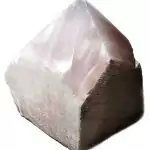
- Type: Top-polished crystal point, natural base
- Size/Quantity: Single specimen, natural dimensions vary
- Best for: Compassion work, heart chakra focus, self-love ritual
Pink Calcite: Mineral Properties and Spiritual Associations
Calcite is a carbonate mineral, one of the most abundant on Earth, and occurs in a wide range of colors depending on trace mineral content. Pink calcite gets its soft rosy tones from trace amounts of manganese within the calcium carbonate lattice. It’s found in Peru, Mexico, and parts of Europe, with Peruvian material typically showing the pastel pinks most associated with the trade name. Calcite rates 3 on the Mohs hardness scale, making it noticeably softer than quartz-family stones, which gives polished pieces a silky surface quality distinct from harder crystal points.
In crystal healing practice, calcite is categorized as an amplifier, a mineral that magnifies the energy and intentions of the practitioner and surrounding stones. Pink calcite specifically carries associations with the heart chakra, emotional gentleness, and the kind of self-compassion that precedes healing. Unlike rose quartz, which is consistently receptive and broadly love-oriented, pink calcite is often described as working more directly on the emotional body itself, softening rigid emotional patterns and creating the conditions for forgiveness and self-acceptance.
The Top-Polished Point Format for Calcite
The top-polished format is especially appropriate for calcite because the material’s softness means a fully polished piece would be more vulnerable to surface scratching in daily handling. The top-polish approach concentrates the smooth finish at the directing apex while leaving the natural surface on the body of the piece, where texture adds tactile interest and visual character. The result is a working tool that’s both functional and naturally beautiful without requiring the care demands of a fully polished soft stone.
As a generator point, this piece works effectively in self-love and compassion grids, placed at the center with rose quartz, rhodonite, and green jade as surrounding stones. It also works well as a desk or altar piece, its soft pink tones creating a visually calming presence in any meditation or working space. The natural base allows it to stand upright without a separate holder.
How to Use the Pink Calcite Top Polished Crystal Point
Three practical ways to work with the pink calcite top-polished point.
- Place in a Self-Love Grid
Set the pink calcite point at the center of a heart chakra grid with the apex up. Arrange rose quartz, rhodonite, and green jade around it in a geometric pattern. Activate by mentally connecting the stones with intention.
- Use in Meditation for Emotional Work
Hold the point in both hands or rest it on your chest at heart level during meditation. Focus on emotional softening or self-forgiveness. Let the stone serve as a physical anchor for your intention throughout the session.
- Display as a Compassion Anchor
Position the point on your desk, altar, or bedside with the apex facing you. Its gentle pink tones serve as a visual reminder of your emotional intentions. Hold it briefly whenever you notice it to renew the intention.
The Tarot Fellow Standard
I carry this piece because pink calcite is visually and energetically distinct from rose quartz, the more commonly stocked heart chakra stone, and practitioners who want to specifically work on emotional body softening rather than love-drawing will find it serves a different but complementary purpose. The top-polished format suits the material’s softness and makes each piece a practical working tool. Each specimen is natural and unique. Browse my crystal points and generators for other formats, and explore my full crystal collection for heart chakra companions.
Frequently Asked Questions
Rose quartz is a quartz variety rated 7 on the Mohs scale. Pink calcite is a carbonate mineral rated 3. In crystal work, rose quartz is broad love-drawing, while pink calcite focuses on softening the emotional body itself.
Yes, more so than quartz stones. At Mohs 3, pink calcite scratches easily and can be chipped by impact. Handle it gently, store it away from harder stones, and avoid water or acidic environments that erode carbonate minerals.
No. Calcite is a carbonate mineral and water, especially hard or acidic water, will erode its surface over time. Cleanse using sound, smoke, moonlight, or a selenite plate. Dry methods are always safer for soft carbonate stones.
Rose quartz, rhodonite, green jade, and kunzite are natural pairings for heart chakra and self-love grids. Selenite amplifies and cleanses calcite energy. Avoid strong activating stones like moldavite if gentle softening is the goal.
Reviews
There are no reviews yet