

Quick Specs
- Botanical name: Bursera graveolens
- Origin: Ecuador and Peru
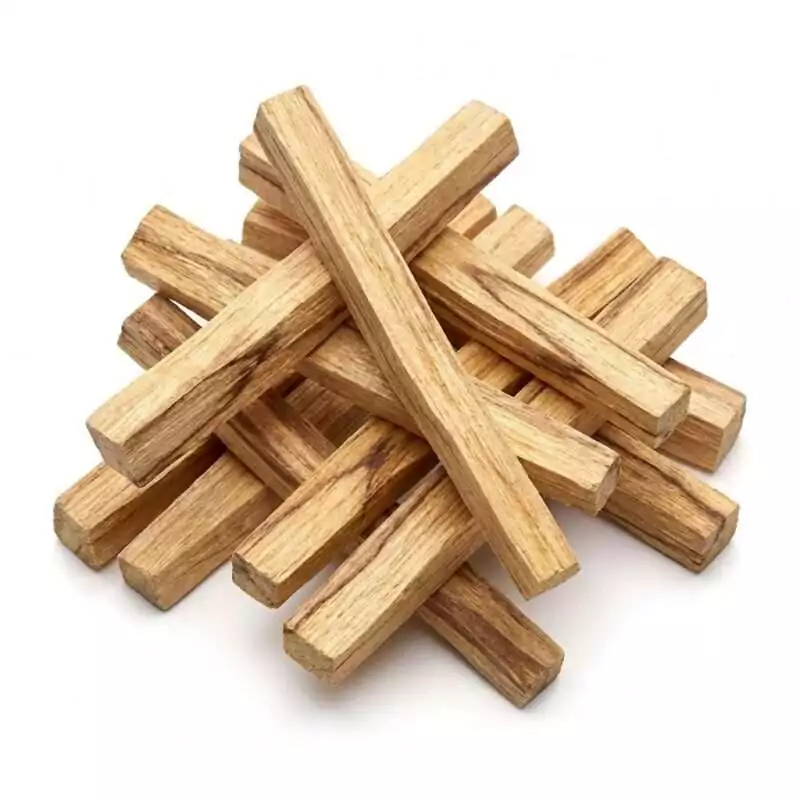
- Format: Loose sticks, 100g bag (approximately 10-12 sticks)
- Stick length: 3.5 to 4 inches
- Best for: Daily practitioners who burn regularly and want a working supply
Bursera Graveolens: The Chemistry Behind Holy Wood
Palo Santo, translated from Spanish as “holy wood,” comes from the Bursera graveolens tree native to the dry tropical forests of Ecuador and Peru. What separates this wood from cedar or white sage is its resin chemistry: the wood develops limonene, alpha-terpineol, and terpene compounds only after the tree has died naturally and rested on the forest floor for several years. Responsibly sourced palo santo is never harvested from living trees, which is why reputable suppliers work exclusively with naturally fallen wood.
That slow resin development is what produces the signature sweet, citrus-woody smoke palo santo is known for. Limonene, the same terpene found in citrus peel, gives the smoke its bright top note, while the deeper woody base creates a grounding quality that many practitioners describe as distinctly different from the sharp herbal character of sage or the dry earthiness of cedar. The 100g bulk bag gives regular burners a practical working supply rather than a trial stick or two.
Andean Tradition and Ceremonial Use
In the Andean traditions of Ecuador and Peru, palo santo has been used by curanderos and shamans for centuries to clear spaces before ceremony, ward off mala energia (negative energy), and invite positive presence. Indigenous Quechua-speaking communities still burn it during healing rituals, and its use by Inca healers is documented in historical accounts of South American spiritual practice. The smoke is traditionally directed with a hand or feather toward people, objects, and the four corners of a space before ritual begins.
Contemporary practitioners across Wicca, folk magic, and secular mindfulness contexts use palo santo as a lighter-touch alternative to white sage. Many work with both: sage for deep clearing after conflict or in a new space, palo santo for regular maintenance burns and the positive, grounded atmosphere it creates. A single stick from this 100g supply typically provides multiple sessions, as palo santo self-extinguishes and relights readily. Browse my palo santo collection for additional formats.
How to Use Palo Santo Bulk Sticks
Three steps for burning palo santo sticks safely and effectively.
- Light and extinguish
Hold one end of a stick at a 45-degree angle and ignite the tip with a lighter or match. Let it catch a small flame for 20 to 30 seconds, then blow it out. The tip should glow and produce a steady stream of fragrant smoke without an open flame.
- Move through the space
Carry the smoldering stick through the room, moving into corners and along walls where energy tends to stagnate. Traditional Andean practice moves counterclockwise to clear, then clockwise to invite. Direct smoke with your hand or a feather.
- Rest and relight
Palo Santo self-extinguishes after a few minutes. Set the stick in a heat-safe holder or abalone shell and let it rest. It is ready to relight for subsequent sessions. A 100g supply typically yields three to five sessions per stick.
The Tarot Fellow Standard
I stock palo santo only from suppliers who source exclusively from naturally fallen Bursera graveolens wood. The sustainability detail matters: palo santo that has not aged after natural death will not have developed its characteristic resin, producing a thin, unremarkable smoke. The 100g format came from requests by practitioners who burn daily and found single-stick packs impractical. It is a working supply for people who actually use this wood, not a novelty item. If you are building a full smudging practice, browse my smudge sticks and sage collection for white sage, blue sage, and assorted smudge bundles that pair well with palo santo.
Frequently Asked Questions
Palo santo produces a sweet, citrus-woody smoke from limonene-rich resin. White sage is sharper and herbal, used for deep clearing. Cedar is dry and earthy. Many practitioners use all three for different stages or purposes within their practice.
Responsibly sourced palo santo comes only from naturally fallen Bursera graveolens trees in Ecuador and Peru. The wood must age several years after death to develop its resin. Harvesting from living trees produces inferior wood and damages forests.
Palo Santo is designed to self-extinguish. Light it, let it catch for 20 to 30 seconds, then blow out the flame. The glowing tip produces smoke without an open flame. Relight as needed. This is normal behavior, not a product defect.
A 100g bag typically contains 10 to 12 sticks cut to approximately 3.5 to 4 inches. Exact count varies because sticks are sold by weight, and natural wood varies in thickness and density from piece to piece.
Reviews
There are no reviews yet