
Quick Specs
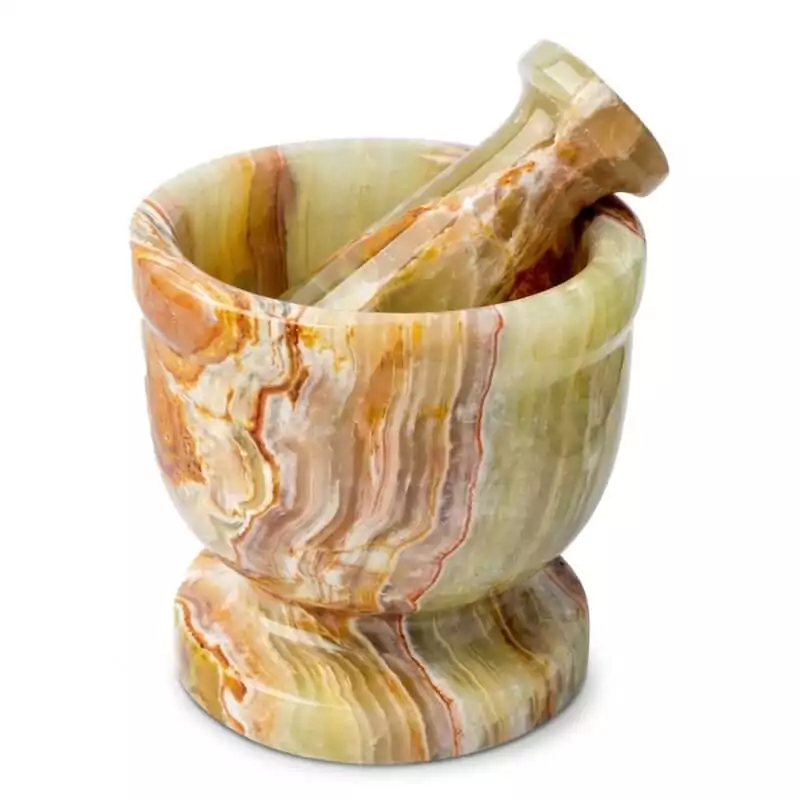
- Material: Green onyx (banded chalcedony), polished
- Size: 4 inches diameter mortar
- Best for: Grinding herbs, resins, and ritual blends; protection and grounding work
- Surface: Non-porous, high-polish finish; minimal staining and easy to clean
Onyx Mortar and Pestle: Mineral Properties and Ritual Significance
Green onyx is a form of banded chalcedony, a microcrystalline variety of quartz with a Mohs hardness rating of around 6.5 to 7. That hardness matters for grinding work, because a mortar softer than most dried herbs and resins will wear unevenly and introduce grit into your blends. The polished non-porous surface of this onyx set keeps oils, pigments, and volatile plant compounds from soaking into the stone, which means you can work with multiple formulas without cross-contamination, and cleanup requires nothing more than warm water and a stiff brush.
In folk magic and crystal-working traditions, onyx carries associations with protection, grounding, and the absorption of negative energy. The stone has been used as a protective talisman across cultures spanning ancient Greece, Rome, and the Middle East, where it was set into rings and amulets to deflect harm and steady the mind. When you grind protection herbs such as mullein, rue, or black salt blends in an onyx mortar, the intent of the work and the traditional properties of the stone reinforce each other in a way that a utilitarian ceramic bowl simply does not.
How Practitioners Use a Green Stone Mortar in Ritual Work
The mortar and pestle is one of the oldest ritual tools in the herbal practitioner’s kit, and the grinding motion itself is considered a form of active spellwork in many traditions. In folk magic, grinding clockwise raises and builds energy, while grinding counterclockwise draws out and banishes. For protection blends, practitioners often grind counterclockwise while naming what they are warding against, then reverse direction to seal and set the final powder. This set’s 4-inch diameter bowl gives enough working room to grind comfortably without herbs scattering over the rim.
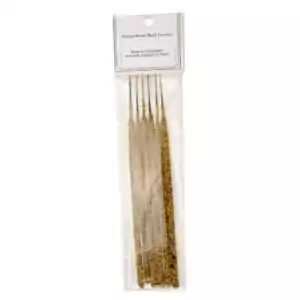
The onyx mortar pairs naturally with protective and banishing herb work: black salt preparations, mullein and rosemary blends for space-clearing, resin incense grinding before charcoal burning, and the preparation of sachet powders for mojo bags or spell bottles. Because onyx is genuinely non-porous in its polished state, you can also use this set for culinary herb work without flavor transfer from previous batches, provided you clean it thoroughly between uses. Browse my mortar and pestle collection to compare materials and sizes before deciding.
How to Use an Onyx Mortar and Pestle
Season, grind, and maintain your onyx mortar and pestle for ritual and culinary use.
- Season and Prepare the Mortar
Before first use, grind a small amount of dry white rice to powder and discard it. This removes stone dust from manufacturing and smooths the surface. Rinse with warm water and dry fully before your first herb batch.
- Load and Grind Your Herbs
Add dried herbs or resin granules to the bowl. Use a circular pressing motion rather than a stabbing stroke. Work in small batches, grinding the hardest ingredients first, then combine for an even-textured blend.
- Clean and Store Between Uses
Rinse with warm water and a stiff brush after each use. Avoid soap for resin work, as traces can affect future batches. Dry fully before storing to protect the polished onyx surface from chips and scratches over time.
The Tarot Fellow Standard
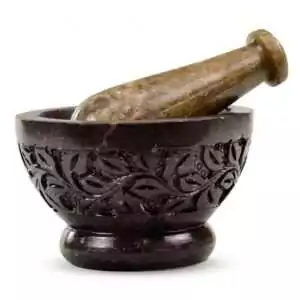
I stock this onyx mortar and pestle because it fills a specific gap in my toolkit: a hard, non-porous stone surface with genuine protective mineral associations, at a size that works for everyday herb grinding without taking up half the altar. The soapstone mortar in my store is softer and better for light resin work, while the wooden pentagram version brings a different elemental energy, but the onyx set is the one I reach for when the work calls for grounding and protection. If you are building out a complete herb-working setup, explore my herbs and accessories collection for complementary tools like charcoal discs, herb packets, and smudge accessories.
Frequently Asked Questions
Yes. Polished onyx is non-porous and food-safe when cleaned properly. Its surface does not absorb oils or residues between batches, making it suitable for both culinary spice grinding and ritual herb preparation with thorough rinsing.
Onyx rates 6.5 to 7 on the Mohs hardness scale, harder than soapstone and comparable to marble. That hardness means less surface wear, less grit shedding into your blends, and a more durable surface for tough dried resins and roots.
Practitioners commonly grind mullein, rue, rosemary, black pepper, and clove for protection blends. Onyx is non-porous, so volatile oils stay in the herbs rather than soaking into the stone, keeping each blend potent and contained.
Soak briefly in warm water to soften hardened resin, then scrub with a stiff brush. For stubborn frankincense or myrrh residue, a small amount of rubbing alcohol on a cloth works well. Rinse with plain water and dry before storage.

Works great
The item was beautiful but was not carefully packaged and I received it broken, very disappointed Would love to have a replacement piece at your cost, of course.
I wish you would have reached out! Please put in a refund request (I’ll approve it without you needing to return).